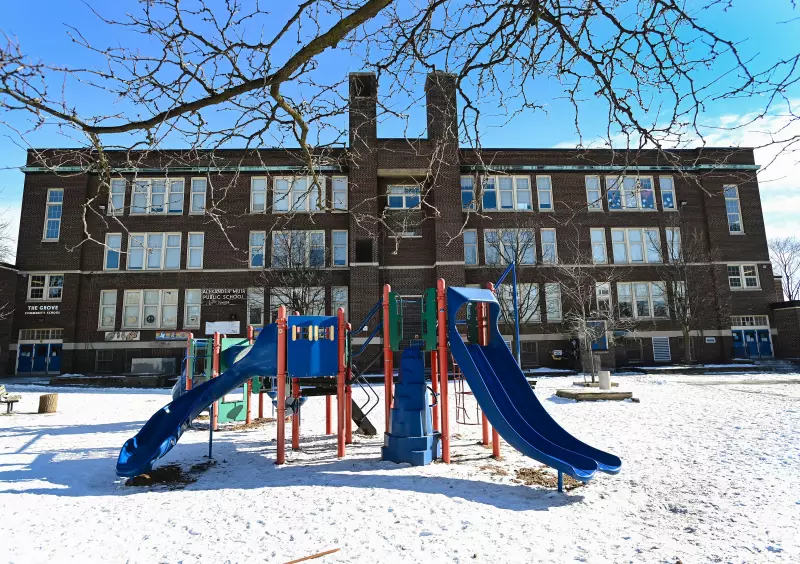
A new study has provided a revealing look at which areas of Toronto are most conducive for children to play outside. The ranking, released in January 2026, assesses neighbourhoods across the city based on factors that support safe and accessible outdoor activity for kids.
What the Toronto Neighbourhood Ranking Measures
The analysis evaluates various elements that contribute to a child-friendly outdoor environment. Key considerations include the availability and quality of public playgrounds, park space, traffic safety, and walkability. The goal is to identify which communities naturally encourage active, healthy play and which present barriers for children seeking to enjoy the simple pleasure of playing outside.
The findings come at a time when concerns about children's sedentary lifestyles and screen time are prominent. Access to safe, inviting outdoor spaces is increasingly recognized as a critical component of community health and childhood development.

Implications for Families and City Planning
For parents and caregivers, the ranking serves as a valuable tool when considering where to live or what amenities to advocate for in their current neighbourhood. It highlights the tangible differences in the lived experience of childhood from one part of Toronto to another.
On a broader scale, the data presents clear evidence for municipal planners and policymakers. The disparities revealed by the study underscore the need for targeted investments in public infrastructure. Improving parks, enhancing street safety around schools, and ensuring equitable access to recreational facilities can help bridge the gap between the highest and lowest ranked areas.
A Call for More Play-Friendly Cities
Ultimately, this Toronto-specific ranking contributes to a larger conversation about building cities that work for people of all ages. Creating environments where children can independently explore, socialize, and play outdoors is a hallmark of a vibrant, healthy, and inclusive community.
The study, published on January 18, 2026, acts as a benchmark. It provides a factual basis for community groups and city officials to work towards a common goal: ensuring every child in Toronto has the opportunity for the unstructured, imaginative play that is essential to growing up.