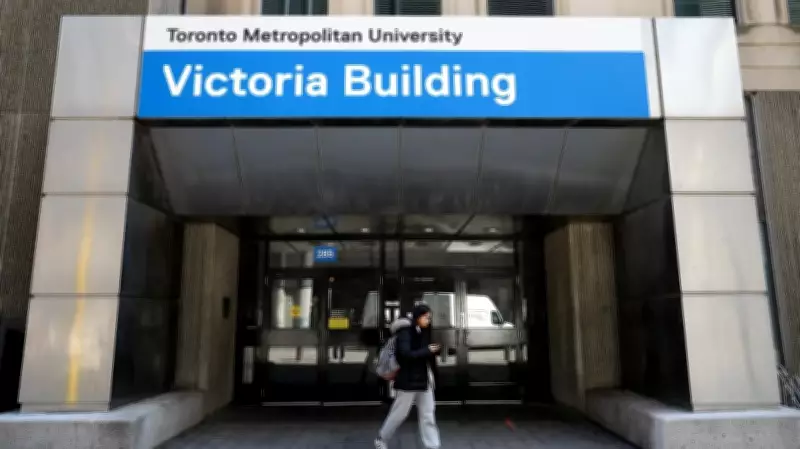
Ontario Ends Tuition Freeze: Financial Implications for Universities and Students
The Ontario government's recent decision to lift the long-standing tuition freeze represents a significant shift in higher education policy that will have far-reaching consequences for both institutions and learners. This move comes after years of capped tuition rates that have strained university budgets while providing financial relief to students during economic uncertainty.
University Budget Pressures and Funding Challenges
Post-secondary institutions across Ontario have been operating under considerable financial strain since the tuition freeze was implemented. With inflation driving up operational costs and provincial funding failing to keep pace, many universities have been forced to make difficult decisions about program offerings, faculty positions, and campus maintenance. The ability to adjust tuition rates will provide institutions with additional revenue streams to address these mounting pressures.
Administrators at multiple universities have expressed cautious optimism about the policy change, noting that predictable revenue increases will help stabilize budgets and potentially prevent further cuts to academic programs and student services. However, they also acknowledge the delicate balance required to ensure education remains accessible while addressing institutional financial needs.

Student Financial Considerations and Accessibility Concerns
For current and prospective students, the end of the tuition freeze raises important questions about educational affordability. While exact increases will vary by institution and program, students should anticipate higher costs beginning with the upcoming academic year. This development comes at a time when many learners are already grappling with rising living expenses and accumulating student debt.
Student advocacy groups have voiced concerns about the potential impact on educational accessibility, particularly for those from lower-income backgrounds and marginalized communities. They argue that without corresponding increases in financial aid and scholarship opportunities, tuition hikes could create additional barriers to post-secondary education for vulnerable populations.
Comparative Analysis with Other Provincial Systems
Ontario's approach to tuition regulation has differed significantly from other Canadian provinces in recent years. While some jurisdictions have implemented moderate annual increases tied to inflation indices, Ontario maintained one of the strictest tuition freezes in the country. This policy shift brings the province more in line with national trends while still maintaining certain regulatory controls over maximum allowable increases.
The provincial government has indicated that any tuition adjustments will be implemented gradually and with consideration for student affordability. Specific mechanisms may include:
- Percentage caps on annual tuition increases
- Enhanced financial aid programs for qualifying students
- Differentiated approaches for various program types and institutions
- Transparency requirements regarding how additional revenue will be allocated
Long-Term Implications for Higher Education in Ontario
Beyond immediate financial considerations, the end of the tuition freeze signals a broader re-evaluation of how post-secondary education is funded in Ontario. This policy change may prompt discussions about the appropriate balance between public funding, institutional revenue generation, and student contributions to the cost of education.
University administrators will need to carefully consider how to implement any tuition adjustments while maintaining their commitment to educational quality and accessibility. Similarly, students and families will need to factor potential cost increases into their educational planning and financial preparations for the coming academic years.
The full impact of this policy shift will become clearer as institutions announce their specific tuition structures for upcoming academic terms and students respond to these changes in their enrollment decisions and financial arrangements.