The landscape of higher education in Canada is undergoing a profound transformation, driven by the rapid integration of artificial intelligence. As one educator put it, this technological shift "changes everything," forcing a fundamental re-evaluation of teaching methods, assessment, and the very skills students need to succeed.
The New Classroom Reality
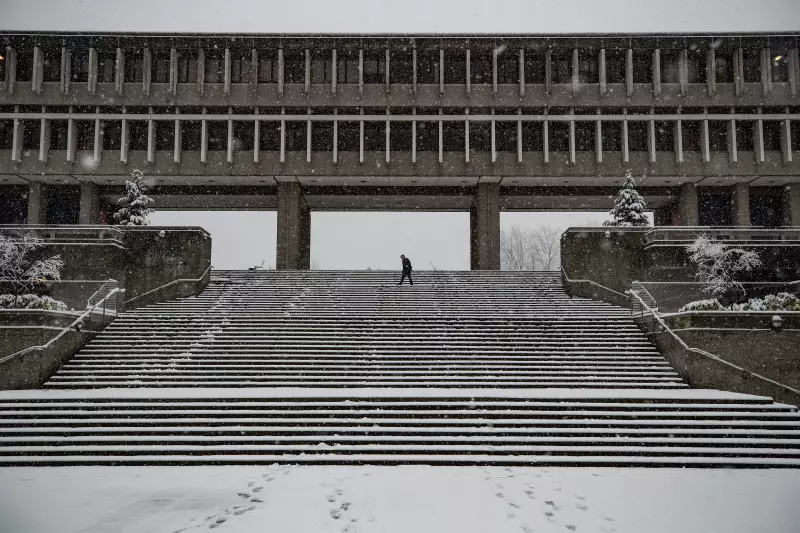
Across campuses from Simon Fraser University in Burnaby, B.C., to institutions in Ontario and beyond, AI tools are becoming commonplace. Students and faculty are leveraging this technology for a wide range of tasks, from research assistance and writing support to generating ideas and debugging code. The adoption is not a distant future concept; it is happening now, in real time, within lecture halls and dorm rooms.
However, this integration is not without its complexities. As highlighted in recent discussions, "the tools are evolving very fast." This pace of change presents a significant challenge for educators and institutions striving to keep policies and pedagogical approaches current. The consensus is clear: AI is not perfect, but its presence is irreversible and its potential, immense.

Balancing Innovation with Academic Integrity
The rapid adoption of AI has sparked critical conversations about academic integrity and the core purpose of education. Institutions are grappling with how to harness the benefits of AI for personalized learning and efficiency while safeguarding against plagiarism and ensuring students develop critical foundational skills.
Many educators are moving beyond simple prohibition, which is often seen as impractical. Instead, they are proactively leveraging AI to create new, dynamic learning experiences. This includes designing assignments that use AI as a collaborative tool, teaching students to critically evaluate AI-generated content, and focusing more on higher-order thinking skills like analysis, synthesis, and ethical reasoning—areas where human intelligence remains paramount.
Preparing for an AI-Driven Future
The ultimate goal for Canadian post-secondary institutions is to prepare graduates for a workforce where AI is ubiquitous. This means curricula are increasingly emphasizing digital literacy, data ethics, and the ability to work alongside intelligent systems. The shift is not just about using new tools; it's about cultivating a new mindset for problem-solving and innovation.
As the technology continues to advance, the educational sector's adaptation will be crucial. The ongoing dialogue between technologists, educators, and policymakers will shape how AI enhances, rather than disrupts, the mission of higher learning. The transformation is already underway, marking the beginning of a new chapter for post-secondary education in Canada.