In a stark reflection of growing economic pressures on families, a Surrey elementary school principal reports an alarming rise in parents seeking basic necessities like food and winter clothing for their children.
A School's Growing Burden
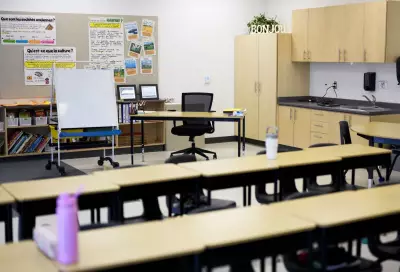
Manjit Nahal, principal of W.E. Kinvig Elementary, oversees 432 students in the modest school located on 70B Avenue near 132nd Street. While their education remains her primary focus, her responsibilities have expanded dramatically to include the welfare of 50 families within her school community who are struggling to put food on the table.
"We are super diverse here. We have a lot of new immigrants and low-income subsidized housing," Nahal explained, highlighting the socioeconomic challenges in the neighbourhood. She described heartbreaking encounters with parents who confess, "I don't have anything in my cupboard and I don't have anything in my account and I can't go and buy groceries."

The Critical Gap in Funding
The situation has been exacerbated by the provincial government's decision to end its $20 million student and family affordability fund. This fund, active since 2022, had been a crucial resource for schools helping families cope with the soaring cost of living.
"Losing the government support hurt us big time," Nahal stated bluntly. As colder weather sets in, her concerns have multiplied from food insecurity to include students lacking proper winter jackets, boots, toques, and gloves.
Community Support Steps In
Fortunately, the school has found support through The Vancouver Sun's Children's Fund, which administers the Adopt-A-School campaign. Since 2011, this program has directed $15.1 million to schools to establish breakfast and lunch programs for children in need.
A significant portion of these funds is designated as emergency money, allowing teachers and principals to address urgent student welfare issues, whether for food, clothing, or other essentials. This year, W.E. Kinvig Elementary is requesting $3,000 in emergency funds from Adopt-A-School to support its families.
The school has also benefited from community generosity, with parents connected to a local Save-On-Foods store bringing food donations, enabling Nahal to send children home with backpacks of groceries.
This reality at W.E. Kinvig Elementary represents what inner-city schools across the region now face daily - increasing numbers of parents turning to their child's school for help, with food remaining the most critical need.