Vancouver City Council Approves Height Increase for Olympic Village Elementary School
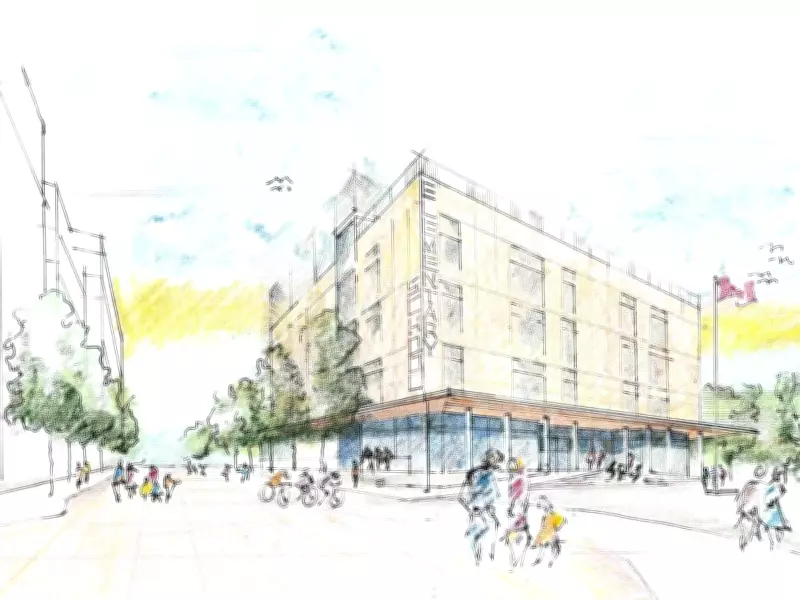
In a unanimous decision, Vancouver city council has approved a significant amendment to allow a taller and larger elementary school in the Olympic Village neighborhood. The approval grants an additional five metres in building height, enabling the construction of a fourth storey that will nearly double the school's capacity from 320 to 630 students.
Addressing Long-Standing Community Demand
The decision comes after years of campaigning by parents who have been waiting for a promised elementary school since the area was developed for the 2010 Winter Games. Councilor Lisa Dominato emphasized the necessity of the change, stating, "It's about one storey to accommodate more students, more families. It's much needed." She highlighted Vancouver's historical issue of under-building schools, citing the example of Elsie Roy elementary in Yaletown, which was oversubscribed on its opening day in 2004.
Project Details and Funding
The site, located adjacent to Hinge Park on the south side of False Creek, was originally zoned for a maximum height of 13.5 metres or three storeys. The Vancouver school board and McFarland Marceau Architects requested the height increase to create additional space. The new school will feature:

- A rooftop play area for recreational activities
- 60 before-and-after school care spaces
- Designated curbside pickup and drop-off points along Columbia Street
In 2024, the provincial Education Ministry announced $150 million in funding for the school project, which councilors hope will accelerate construction. Councilor Peter Meiszner expressed eagerness to see "shovels in the ground" for the school, noting that the vision has been in development for more than two decades.
Community Concerns and Opposition
Despite the unanimous council approval, some residents voiced concerns about the impact of a larger building on the constrained site. Ira Nadel, an Olympic Village resident, argued that allocating only six curbside spaces for over 600 students is unrealistic. He warned of potential safety risks, including congestion, illegal parking, and conflicts between vehicles, cyclists, and pedestrians.
Councilor Lucy Maloney acknowledged that the decision might disappoint some residents but emphasized the importance of having a neighborhood school within walking distance. According to a staff report, more than 80% of students at the new school are expected to walk, roll, or bike to school, reducing reliance on vehicle transportation.
Broader Implications for Vancouver Education
The approval addresses not only the immediate need in Olympic Village but also relieves pressure on nearby schools, including Simon Fraser, False Creek, Edith Cavell, and Crosstown elementary schools, which have been accommodating students from the underserved neighborhood. The project represents a significant step toward fulfilling a long-delayed promise and adapting to the area's increased density and development since the 2010 Games.
As construction moves forward, the focus will remain on balancing the educational benefits for hundreds of students with the logistical challenges of urban school development in a growing city.