Isolation Patterns in Canadian School Shootings: From Tumbler Ridge to Historical Cases
Canada has experienced another devastating school shooting, this time in the small community of Tumbler Ridge, British Columbia. This tragic event follows a disturbing pattern seen in previous Canadian school shootings, where perpetrators—almost exclusively young males—share a common thread of profound social isolation that ultimately manifests in violent acts against their communities.
The Tumbler Ridge Tragedy and Historical Context
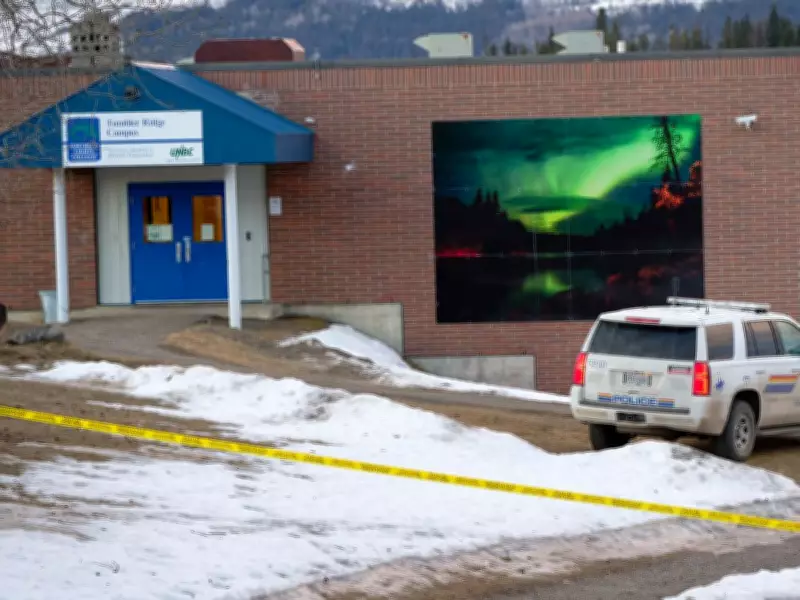
The recent shooting at Tumbler Ridge Secondary School on February 11, 2026, represents another chapter in Canada's history of school violence. Police cordoned off the school and surrounding buildings as they responded to the incident, which echoes similar tragedies from Canada's past. These events collectively paint a troubling picture of how social withdrawal and community disconnection can lead to catastrophic outcomes.
This pattern suggests a societal failure to replace traditional support systems—such as regular family interactions and community engagement—with adequate alternatives for vulnerable youth. The absence of these structures appears to contribute to a dangerous isolation that can culminate in violent outbursts, often followed by the perpetrator's suicide.

The 1989 Montreal Massacre: Marc Lépine's Isolation
Canada's most infamous school shooting occurred in 1989 at Montreal's École Polytechnique. Marc Lépine, born Gamil Rodrigue Liass Gharbi, exhibited classic signs of social withdrawal throughout his life. His childhood was marked by family instability—his parents separated when he was seven due to his father's abusive behavior, forcing his mother to work as a nurse and leave her children with other families during the week.
At age 14, Lépine legally changed his name, citing hatred toward his father as his motivation. His adult life continued this pattern of rejection and failure: the Canadian Forces rejected his application, he dropped out of university, and he was fired from a hospital job due to poor attitude. After being twice rejected from École Polytechnique for lacking required courses, he entered the school on December 6, 1989, separated male and female students, and specifically targeted women, declaring he was "fighting feminism" before taking his own life.
Dawson College Shooting: Kimveer Gill's Disconnection
In 2006, Montreal witnessed another school shooting when Kimveer Gill opened fire at Dawson College. Like Lépine, Gill was described as a socially withdrawn loner. His parents were Punjabi immigrants who arrived in Canada from India in 1981 and provided what appeared to be a stable home environment. Despite this, Gill spent most of his time isolated in their basement, deeply disenchanted with society.
Gill's brief attempt to join the Canadian Forces ended after just one month of basic training. His online presence revealed his profound alienation—on VampireFreaks.com, he described himself as "not a people person" who found "the vast majority to be worthless" and declared "Life sucks." Gill killed one female student and wounded 19 others before committing suicide.
La Loche Community School Shooting: Randan Dakota Fontaine
The 2016 shooting at La Loche Community School in Saskatchewan continued this pattern of isolation. The shooter, Randan Dakota Fontaine, was described as quiet, reserved, and socially withdrawn. He reportedly faced bullying from peers about his appearance and had been informally adopted by his aunt shortly after birth.
Fontaine experienced significant academic difficulties, possibly related to intellectual challenges stemming from fetal alcohol syndrome. Before attacking the school—where he killed a teacher and teacher's aide while injuring seven others—he shot his cousins who lived across the street. Unlike previous perpetrators, Fontaine did not commit suicide.
Common Threads and Societal Implications
These cases reveal several consistent factors:

- Profound social isolation from peers and community
- Difficult family circumstances or perceived lack of support
- Academic or professional failures that reinforce feelings of inadequacy
- Gender pattern with perpetrators almost exclusively male
- Violent expression of accumulated anger toward perceived sources of their difficulties
The Tumbler Ridge tragedy, like those before it, underscores the urgent need for better community support systems and early intervention strategies. As traditional structures like regular family meals and community religiosity have diminished in many areas, insufficient alternatives have emerged to fill the void for vulnerable youth.
This pattern of isolation-triggered violence represents not just individual tragedies but systemic failures that demand comprehensive societal responses. Understanding these common threads is crucial for developing prevention strategies that address the root causes of such devastating events.