High-achieving students in Calgary are encountering unprecedented hurdles in securing spots for coveted university programs in science, technology, engineering, and mathematics (STEM). The intense competition underscores a growing gap between student preparedness and the limited availability of post-secondary seats in these high-demand fields.
A 93% Average Not Enough for Guaranteed Admission
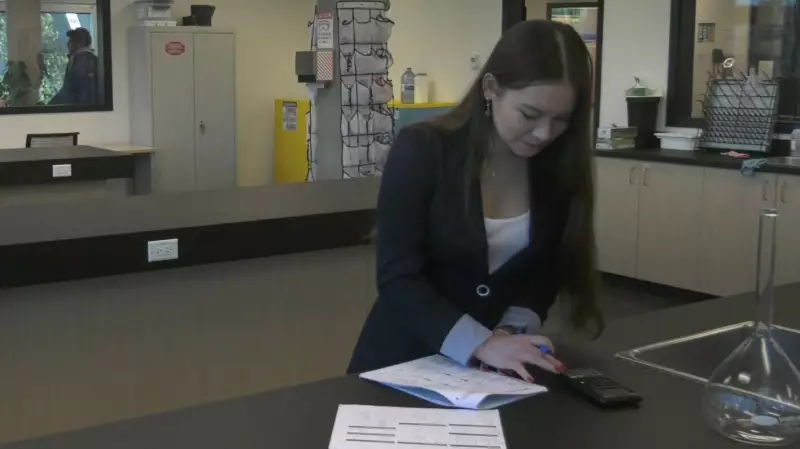
Asiya Iskander, a Grade 12 student at Calgary's STEM Innovation Academy, finds herself on a waitlist for her preferred university program despite maintaining an impressive 93 per cent academic average. Her experience is not an isolated case but rather a symptom of a broader trend affecting students across the province and country. The high demand for STEM education, driven by future job market projections, is creating a bottleneck at the university admissions level.
Understanding the Competitive Landscape for STEM
The pressure on students extends beyond just grades. Universities are increasingly looking at a holistic profile, which can include supplementary applications, portfolios, and extracurricular achievements related to STEM fields. This shift means that even students with top marks from specialized schools like the STEM Innovation Academy are not guaranteed entry. The situation raises important questions about capacity within Canada's post-secondary system to meet the growing student interest and national economic needs for skilled STEM graduates.

Broader Implications for Education and the Future Workforce
This competitive admissions environment has significant consequences. It can lead to increased stress and anxiety among high school students navigating the application process. Furthermore, it may inadvertently push talented individuals away from pursuing STEM degrees altogether if they perceive the path as overly restrictive or inaccessible. Educators and policymakers are now faced with the dual challenge of encouraging STEM participation while managing the logistical realities of university program capacities. The experience of students like Asiya Iskander in Calgary serves as a clear indicator that the current system is under strain and may require innovative solutions to ensure Canada can develop its future scientific and technological workforce.