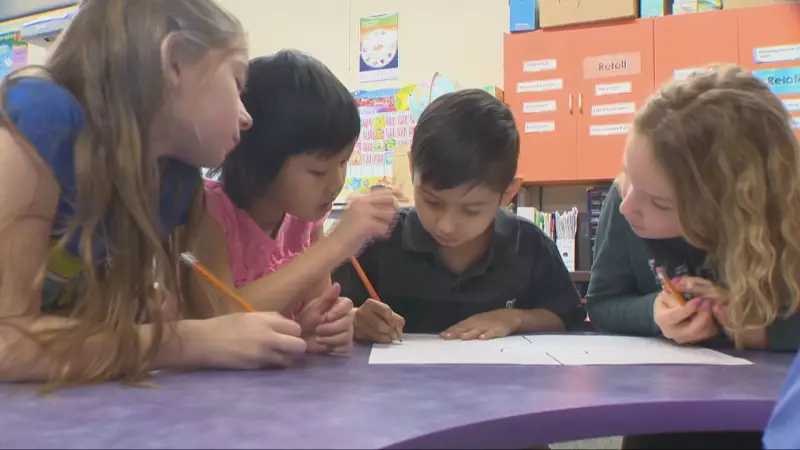
Teachers across Alberta are raising significant concerns about a new provincial mandate requiring them to conduct literacy and numeracy screenings for all students from kindergarten to Grade 3. The policy, which took effect in the fall of 2025, has left many educators feeling unsupported as they navigate the additional workload and complex implementation.
Understanding the New Screening Mandate
In a significant shift for early childhood education in the province, the Alberta government instituted a mandatory screening requirement for young learners. Starting in the 2025-2026 academic year, every teacher with students in kindergarten through Grade 3 must administer assessments to gauge foundational literacy and numeracy skills. The screenings are designed to identify learning gaps and provide early intervention for students who may be struggling.
The province introduced this policy without what many educators describe as adequate training or additional resources. Teachers report being expected to integrate these detailed assessments into their already packed schedules, often during instructional time. The screenings involve one-on-one or small group evaluations that can be time-intensive, particularly in classrooms with high student-to-teacher ratios.

Educator Perspectives on Implementation Challenges
Multiple teachers who spoke about the new requirement highlighted a common theme: a profound lack of systemic support. "The expectation is there, but the practical support is not," explained one Calgary-based elementary teacher who requested anonymity. "We're being asked to implement these detailed screenings without additional preparation time, specialized training, or classroom assistance."
Many educators worry that the time spent conducting screenings comes at the expense of direct instruction. With each assessment taking approximately 20-30 minutes per student, teachers in classrooms of 25 or more students face days of disrupted learning. Furthermore, teachers question whether they have received adequate training to properly interpret results and implement effective intervention strategies based on the findings.
Another concern revolves around the emotional impact on young learners. "For some children, especially in kindergarten, formal assessments can create anxiety," noted a veteran teacher with over 15 years of experience. "We need to approach this carefully to avoid creating negative associations with learning at such a crucial developmental stage."
Broader Implications for Alberta's Education System
The introduction of mandatory screenings represents a substantial policy shift with potential long-term consequences for Alberta's educational landscape. While early identification of learning challenges is theoretically beneficial, the practical execution has created tension between policy objectives and classroom reality.
Some education advocates argue that the resources allocated to implementing and managing these screenings might be better spent on reducing class sizes, hiring educational assistants, or providing more targeted professional development. The debate highlights ongoing tensions between standardized assessment approaches and the individualized needs of students and teachers.
As the school year progresses, teachers across the province continue to adapt to the new requirements while advocating for more comprehensive support systems. The success of the screening initiative may ultimately depend on whether the government addresses educators' concerns about resources, training, and practical implementation challenges in classrooms throughout Alberta.