Post-Secondary Funding Shifts Spark Relief for Universities, Student Anger
Recent changes to post-secondary funding in Ontario have created a stark divide, with universities expressing relief over financial support while students voice mounting anger over the implications. The adjustments, announced earlier this month, aim to address what one college president described as "tough times in the post-secondary sector," but they have sparked concerns about accessibility and affordability.
Financial Relief for Institutions
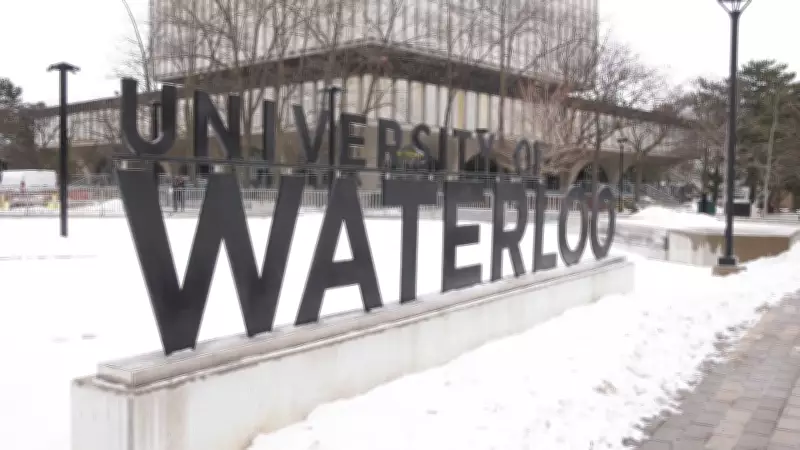
The new funding model provides targeted financial injections to universities, including the University of Waterloo, which has been grappling with budget constraints. This move is seen as a lifeline for institutions facing potential job losses and program cuts. A Fanshawe College president recently warned of more job losses ahead, highlighting the sector's precarious state. The funding shifts are designed to stabilize operations and support research initiatives, aligning with broader efforts to bolster higher education infrastructure.
Student Backlash and Concerns
Despite the relief for universities, students are reacting with anger and frustration. Many fear that the changes will lead to tuition increases, reduced student services, and heavier debt loads. Advocacy groups argue that the funding adjustments prioritize institutional needs over student welfare, potentially exacerbating existing inequalities in access to education. Protests and petitions have emerged on campuses, with students demanding more transparency and input in funding decisions.

Broader Context and Implications
The funding debate occurs against a backdrop of broader economic challenges, including a tight labor market that has drawn hundreds to job fairs, such as one in Kanata. Experts note that post-secondary education is critical for workforce development, making funding policies a key issue for economic growth. The situation also mirrors tensions in other provinces, where similar discussions about education funding and student support are underway.
As universities navigate these changes, the divide between institutional relief and student discontent underscores the complex balancing act in post-secondary policy. Stakeholders are calling for a more collaborative approach to ensure that funding reforms benefit both institutions and the students they serve.