UWindsor Explores 3D Printing as Innovative Solution to Canada's Housing Crisis
Let's not lose hope in home ownership was the rallying cry at a recent University of Windsor conference addressing Canada's deepening housing affordability crisis. One groundbreaking suggestion that emerged: constructing buildings using methods similar to automobile manufacturing, with 3D printing technology offering a potential pathway forward.
The Stark Reality of Housing Inequality
How critical is home ownership for Canadians, and how severe has the housing affordability crisis become? According to participants at the Windsor housing conference held on March 10, the situation is so dire that home ownership may largely determine Canada's future economic divide. Children whose parents own homes will have significant advantages over those from families who do not, creating a widening gap between haves and have-nots.
University of Windsor engineering professor Sreekanta Das provided personal testimony about this shifting landscape. Twenty years ago, my engineering classes were filled with students who typically left home after high school to live independently, Das told conference attendees. Today, nearly every one of my graduate students is living at home with their parents.

Windsor, once considered a city where home ownership was attainable for almost anyone with steady employment, has seen that reality disappear. Not anymore, Das confirmed to reporters.
Student Dreams Confront Harsh Realities
Mohsen Rahimi, a 25-year-old PhD engineering student at UWindsor, shared his personal struggle. His dream of owning a home was a primary motivation for pursuing graduate studies, but he now fears that home ownership in his future is becoming increasingly impossible. Rahimi's concerns reflect those of millions of Canadians for whom home ownership appears increasingly unattainable.
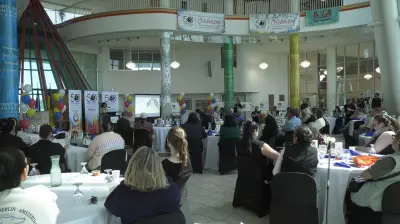
The day-long conference attracted approximately 120 delegates from academia, government, industry, research institutions, and the non-profit sector. Their mission: to examine emerging technologies and innovations that could help solve the housing crisis through collaborative efforts.
Warning of Escalating Inequality
Pedro Barata, chief executive officer of Habitat for Humanity Canada, delivered a sobering assessment. We're not doing enough for the next generation, Barata stated. He warned that escalating housing costs will dramatically increase inequality across Canada, including in Windsor and surrounding communities.
Despite these challenges, conference participants emphasized that the dream of home ownership remains worth fighting for, even as it becomes increasingly unattainable for growing numbers of Canadians.
Local Leadership and Innovative Solutions
Fabio Costante, former city councillor and current CEO of Windsor-Essex Community Housing Corporation, urged perseverance. Let's not lose hope in home ownership, Costante declared, despite acknowledging his organization's growing waitlist of thousands of local families seeking affordable rental housing and ballooning homelessness numbers in recent years. He maintained that home ownership should remain an aspiration worth striving toward.
At the conference opening, titled Pressing 'Print' on Housing Solutions, UWindsor president J.J. McMurtry highlighted innovative housing research underway at the university. He suggested that Windsor has the opportunity to lead in housing innovation through disruptive and even radical new technologies currently in development.
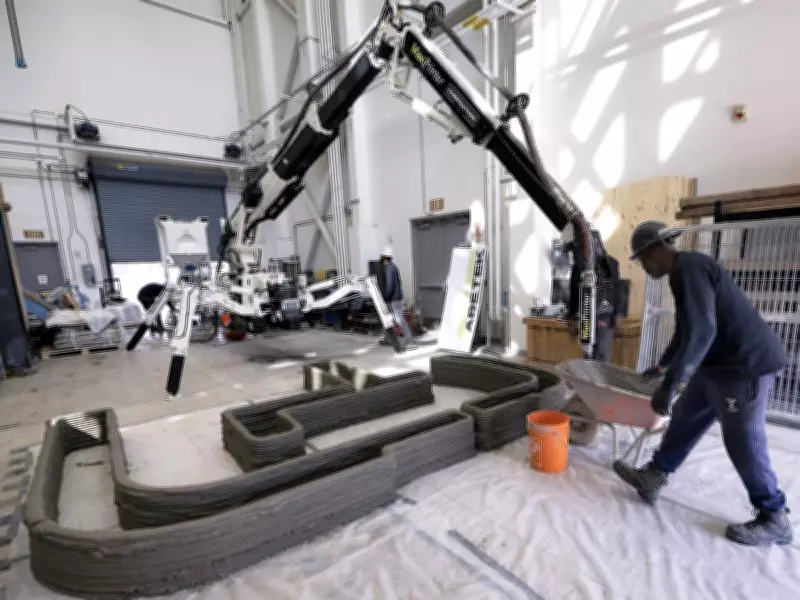
The conference featured demonstrations of 3D construction printing technology in UWindsor engineering labs, showcasing how buildings might be manufactured more like automobiles in the future. This approach could potentially reduce construction costs, increase efficiency, and create new pathways to housing affordability for Canadians struggling with the current crisis.