Canadian Oscar Nominees Discover 'Happy Accidents' Elevate Animated Short Film
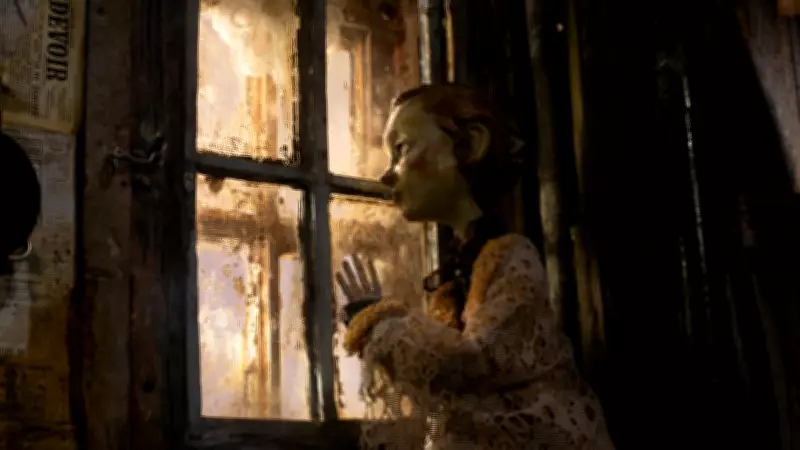
The journey to create The Girl Who Cried Pearls, Canada's latest Oscar-nominated animated short, began with a single haunting image: a girl weeping pearls while a boy watched through a hole in the wall. This vision propelled award-winning filmmakers Chris Lavis and Maciek Szczsrbpwski on a five-year creative odyssey that has now earned them their second Academy Award nomination for best animated short.
Embracing Unpredictability in Precision-Driven Animation
For their latest National Film Board project, the filmmakers faced the meticulous demands of stop-motion animation while creating a lovingly reimagined Montreal at the dawn of the 20th century. Their 16-minute masterpiece required painstaking frame-by-frame work, but they discovered that sometimes perfection emerges from imperfection.
"A little bit of chaos sometimes reaps dividends," Lavis explained from Los Angeles, where he and his colleagues were preparing for the Oscar ceremony. This philosophy was tested when they accidentally left a crucial model—the tumbledown house where tears transform into pearls—outside during a rainstorm.

When Rain Damage Became Artistic Enhancement
"We thought it would be destroyed," Lavis recalled of discovering the rain-warped model. Instead, they found unexpected beauty in the way the cardboard had dried. Rather than starting over, they incorporated the warping into the final model, creating a more authentic, weathered appearance that perfectly suited their cinematic fable.
This willingness to embrace "happy accidents" became a recurring theme throughout the production, particularly when COVID-19 lockdowns forced the collaborators into separate workspaces for months.
Pandemic Challenges and Creative Solutions
At the crucial stage of puppet creation, Lavis and Szczsrbpwski found themselves unable to work in the same room. "It caused hell for the project because we normally do everything together," Lavis admitted. They adapted by dividing responsibilities—Lavis sculpting heads while Szczsrbpwski worked on bodies—meeting only briefly every few weeks in back alleys, six feet apart.
This separation led to another "happy accident" when they discovered the heads were sculpted larger than the bodies. Initially seeming like a disaster requiring weeks of rework, they instead decided to embrace the unique proportions as serving the film's distinctive aesthetic.
The Painful but Necessary Final Cut
Perhaps the most difficult creative decision came near completion when they realized the film worked better with 90 seconds removed. "That represented four months of work," Lavis noted. "It was a 100-percent-right decision but also a very difficult one."
The filmmakers describe their approach as balancing the precision demands of stop-motion animation with openness to unpredictability. Their film, while set in a world where modernity trumps magic, follows the classic style of Hans Christian Andersen tales, creating a timeless quality that resonates with contemporary audiences.
From Vision to Oscar Recognition
What began as a simple image has transformed into an internationally recognized work of art, demonstrating how creative challenges can become opportunities. The filmmakers' journey proves that sometimes the most beautiful results emerge not from rigid control, but from learning to work with—and even celebrate—the unexpected twists of the creative process.
As they prepare for the Oscars, Lavis and Szczsrbpwski carry with them not just their nomination, but the valuable lesson that in animation, as in life, sometimes the most perfect moments come from imperfect circumstances.