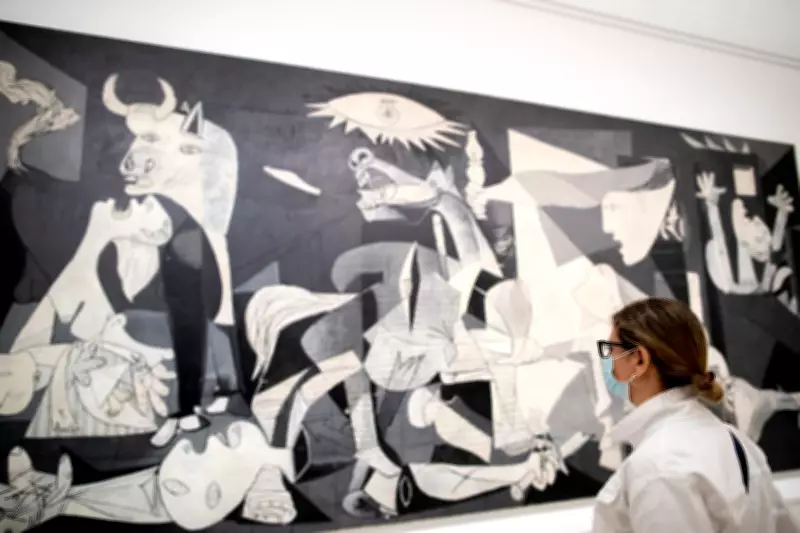
A significant cultural and political controversy is unfolding in Spain, centered on the future home of Pablo Picasso's monumental 1937 painting, "Guernica." This iconic anti-war artwork, a powerful symbol denouncing the horrors of conflict, has become the subject of a heated national debate regarding its permanent exhibition location.
The Heart of the Dispute
Currently housed at the Reina Sofía Museum in Madrid, "Guernica" has been a centerpiece there since 1992. However, recent political movements, particularly from Basque Country regional authorities, have intensified calls for the painting to be relocated. Proponents argue that the artwork, which depicts the bombing of the Basque town of Guernica during the Spanish Civil War, rightfully belongs in the region whose suffering it immortalizes. This demand touches deep nerves concerning historical memory, cultural ownership, and regional identity within Spain's complex political landscape.
Arguments for and Against Relocation
Advocates for moving the painting to the Basque Country emphasize its profound historical and emotional connection to the area. They contend that displaying "Guernica" in a museum in Bilbao or near Guernica itself would serve as a poignant memorial and educational tool, directly linking the art to the community it represents. This perspective is framed as an act of historical justice and cultural repatriation.

Opponents, including many art historians, curators, and Madrid officials, present a counter-argument focused on preservation, accessibility, and artistic context. They highlight that the Reina Sofía Museum provides state-of-the-art, climate-controlled facilities essential for protecting the fragile, large-scale canvas. Furthermore, they argue that Madrid, as the national capital and a major international tourist hub, ensures the painting is seen by a vastly larger and more diverse global audience. There is also concern that moving such a delicate piece could pose irreversible risks to its physical integrity.
A Symbol Beyond Art
The debate transcends mere logistics of museum placement. "Guernica" is not just a painting; it is a universal symbol of the tragedy of war and the suffering of civilians. Its location has become a proxy for broader discussions about Spanish history, the decentralization of cultural assets, and how nations reconcile with painful chapters of their past. The Spanish government now faces a delicate balancing act, weighing regional sentiments against national and international cultural stewardship responsibilities.
As this battle continues, it underscores the powerful role art plays in society—not only as aesthetic expression but as a living artifact that can ignite passionate debate about memory, place, and identity. The resolution will set a significant precedent for how Spain manages its world-renowned cultural heritage in the 21st century.