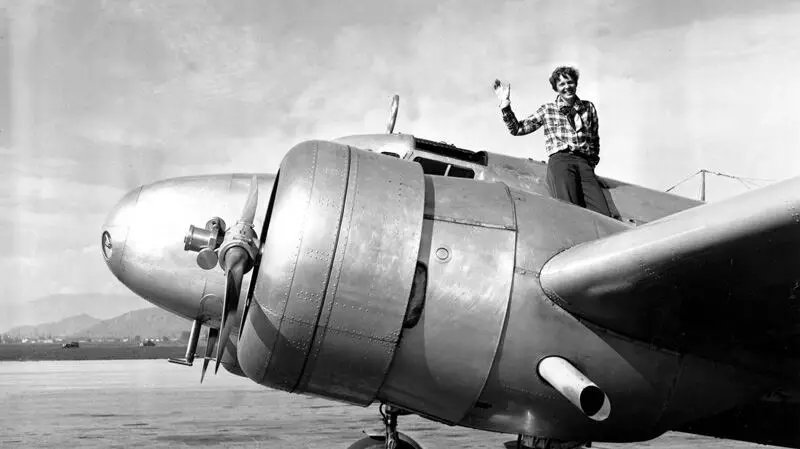
In a significant development for aviation historians and mystery enthusiasts, the United States government has released a batch of previously classified documents concerning legendary aviator Amelia Earhart. The records, made public in November 2025, offer fresh insights into one of the most enduring mysteries of the 20th century.
Historical Context and Significance
Amelia Earhart, the pioneering American aviatrix, disappeared on July 2, 1937, during her ambitious attempt to circumnavigate the globe. Her vanishing over the Pacific Ocean has spawned countless theories and investigations over the decades. The newly released documents include government communications, intelligence reports, and official correspondence that had remained hidden from public view for nearly ninety years.
The timing of this release coincides with ongoing modern efforts to solve the mystery using advanced technology. Recent underwater expeditions and forensic analysis have kept public interest in Earhart's fate alive, making these government records particularly relevant to contemporary research efforts.

Content of the Declassified Materials
While the complete contents of the documents require thorough examination by experts, initial reports indicate they contain previously unseen government assessments of Earhart's disappearance. The records span multiple agencies and include diplomatic communications between the United States and other nations regarding search efforts.
Notably, the documents include March 1937 photographs and records from just months before her final flight. One particular image shows Earhart waving from her Lockheed Electra aircraft before taking off from Los Angeles, capturing the optimism that characterized her historic journey.
Impact on Historical Understanding
Aviation historians anticipate these documents will provide crucial context about the official U.S. government response to Earhart's disappearance. The release represents the latest in a series of government document declassifications that have gradually illuminated this historical mystery.
Researchers hope the materials may contain clues about search coordination, diplomatic efforts, and contemporary government theories about what happened to Earhart and her navigator, Fred Noonan. The documents' release follows years of pressure from historical societies and transparency advocates seeking full disclosure of all government-held Earhart records.
As experts begin the painstaking process of analyzing these new materials, the aviation community remains hopeful that each piece of evidence brings us closer to understanding the final chapter of Amelia Earhart's remarkable story. The documents are expected to be available through the National Archives and relevant government databases for public access and scholarly review.