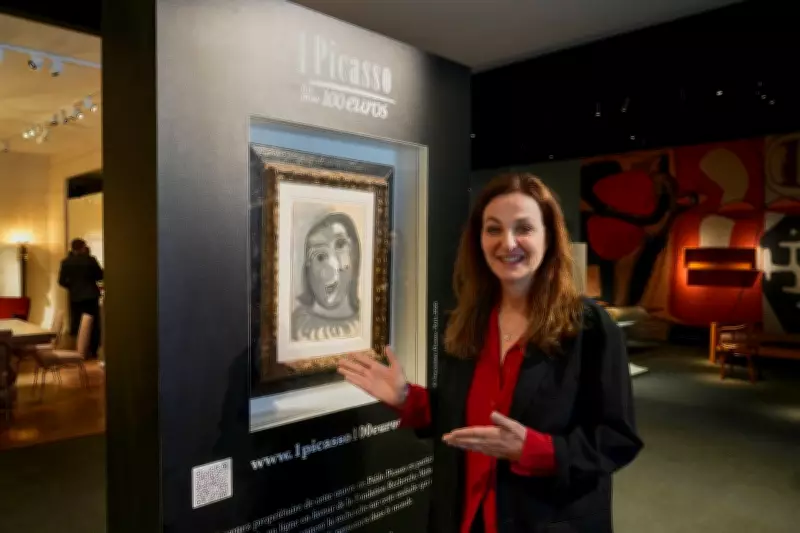
In an extraordinary stroke of luck, a raffle winner has been left utterly stunned after scooping a Pablo Picasso masterpiece valued at US$1 million with a ticket costing a mere $117. The incredible win occurred through the innovative "1 Picasso for 100 euros" lottery, which offered participants the chance to own a significant work of art for a fraction of its market value.
The Raffle and Its Organizer
The lottery was co-founded by Peri Cochin, who envisioned making high-value art accessible through a democratic drawing. The prize, Head of a Woman, painted by Picasso in 1941, is a notable piece from the artist's later period, showcasing his distinctive cubist style. Cochin posed with the painting in Paris on April 10, 2026, ahead of the draw, which was conducted with the prestige and oversight of the renowned auction house Christie's the following week.
Details of the Win
The winner, whose identity has not been disclosed, purchased a ticket for approximately $117 (equivalent to 100 euros), making this one of the most remarkable art-related windfalls in recent memory. The draw highlights a growing trend of using lotteries to distribute valuable assets, blending elements of chance with cultural appreciation. Christie's involvement ensured transparency and credibility, attracting participants from around the globe who dreamed of owning a piece of art history.

Implications and Reactions
This event has sparked discussions about the democratization of art ownership and the potential for lotteries to disrupt traditional auction markets. Art enthusiasts and financial analysts alike are marveling at the winner's fortune, noting that such opportunities are rare and transformative. The winner is expected to receive the painting after verification processes, potentially altering their life and financial status overnight.
Meanwhile, the success of this raffle may inspire similar initiatives, encouraging more people to engage with art through affordable means. As Cochin and Christie's celebrate this milestone, the art world watches closely, pondering the future of art distribution and the role of luck in cultural acquisition.