Aubrey Plaza's Pregnancy Announcement Ignites Social Media Debate on Widowhood
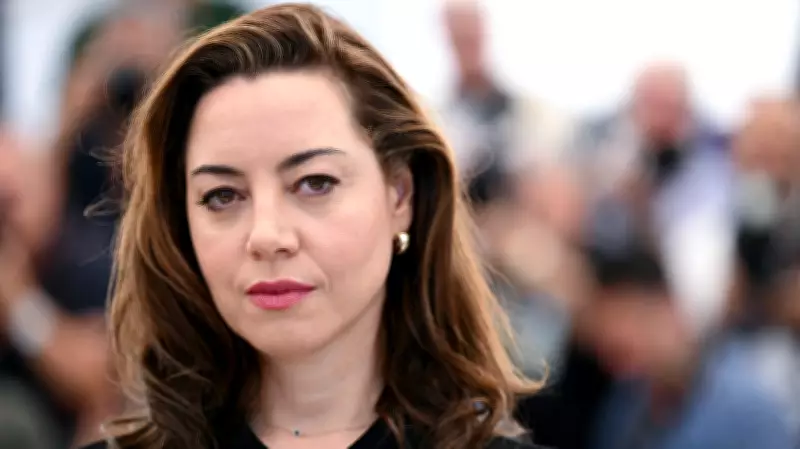
Actor Aubrey Plaza is expecting a child with her partner, actor Christopher Abbott, according to her representative. This news, which would typically be met with widespread congratulations, has instead sparked significant judgment on social media regarding the timeline of Plaza's personal life following tragedy.
The Backlash Against Moving Forward
In 2025, Plaza's husband, filmmaker Jeff Baena, died by suicide. Many online commentators have criticized Plaza for finding new love and starting a family so soon after this loss. "She should've at least waited a few years," read one popular post on X, while another user commented that having a new partner one year after a previous partner's death "seems a little weird."
This public scrutiny reflects a persistent, outdated societal notion that widows must observe a long, formal mourning period. There exists a pervasive but incorrect belief in a single, correct timeline for how a grieving person should approach dating or finding love again.

Experts Challenge Outdated Expectations
"Society thinks you shouldn't do anything for a year. You're supposed to mourn a full season of cycles," explained grief counselor Jill Cohen in an interview. "What's important to remember is that we never know what's behind the story of why people do or don't want to find love again after loss."
Anita Coyle, a widow and co-host of the "Widow We Do Now?" podcast, highlighted the impossible standards young widows face. "People want to make it a litmus test about the kind of relationship you had with your late partner. If you date too early, then it must mean that you didn't love them. And then if you don't date soon enough, you're 'stuck' in your grief," Coyle said. "No matter what you do, people who aren't in your situation are going to judge you."
A Personal Perspective on Judgment
Coyle speaks from personal experience. Her husband died in 2019, and she has not dated since. She received the opposite reaction to what Plaza is facing, with people asking her, "Are you stuck? Are you not moving on?" In response to such judgment, Coyle believes many widows simply want to say, "It's none of your business."
The circumstances of a partner's death can also influence the judgment survivors face. According to a report from the Los Angeles County medical examiner, Plaza and Baena had been separated for four months before his death by suicide.
The Stigma of Non-Natural Death
Elishia Durrett Johnson, a widow and licensed clinical counselor specializing in grief, noted that people whose partners die from stigmatized causes like suicide face additional unfair criticism. Their partner's death is "not considered natural," which leads others to police how they should move forward.
"Anytime during that, I extend grace and I implore others to be quiet," Durrett Johnson stated. "You don't know what life is going to afford you later. The very thing you're complaining or criticizing one person about, you have no idea how you would handle that." She added that policing other people's grief "is the awfulness of mourning. That's the thing that we should not do."
A Double Standard for Widows and Widowers
The stigma is often more severe for widows than for widowers when it comes to dating after loss. "Men get a little bit more leeway in moving forward quickly," Coyle observed. Cohen explained that society often gives men more grace, believing "he needs a wife" if he finds a new partner soon after a loss.
"We normalize men moving forward with other women," Durrett Johnson said. However, she emphasized that for both widows and widowers, "it is just as hard as finding your forward." Grief is universally challenging, and finding a path through it is a deeply personal journey.
Celebrating New Beginnings
This is why grief experts and those who have experienced loss argue that the best response to news of a grieving person finding love again is simply to congratulate them. Regarding Plaza's situation, Coyle said, "She's experienced this horrendous thing in her life, and she deserves to have a next chapter that makes her happy. Whatever that looks like for her and for everybody is up to them to determine."

Plaza herself has been open about the enduring nature of her grief. On former co-star Amy Poehler's "Good Hang" podcast last August, she described it as "a giant ocean of just awfulness that's like right there... Sometimes, I just want to dive into it. And then sometimes, I just look at it, and then sometimes, I try to get away from it. But it's always there."
The Power of Finding Understanding Love
Durrett Johnson said Plaza's metaphor of an "ocean of awfulness" is apt, which makes it all the more remarkable when grieving individuals find new love. "If you find someone that is going to help you in that move forward, that understands that awful ocean you're dealing with, that's powerful," she said, explaining why she congratulates Plaza. "That's just as rare as finding the love of your life."
The public debate surrounding Aubrey Plaza's pregnancy underscores a critical need for greater empathy and a rejection of rigid, outdated scripts for grief. Moving forward after profound loss is a unique and personal process, not a public performance subject to societal approval.