Australian Olympic Reporter Issues Apology Following Slurred Live Broadcast
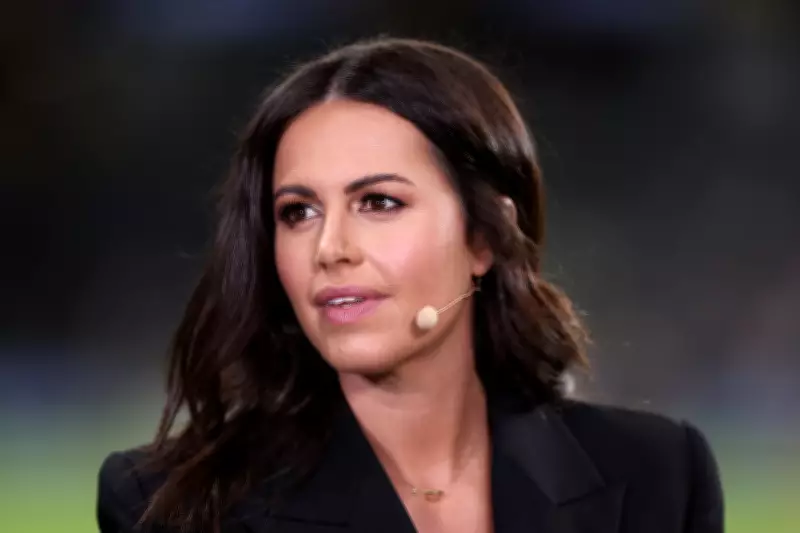
In a candid public statement, Australian television reporter Danika Mason has apologized for her performance during a recent live Olympic broadcast, where viewers noted she appeared to be slurring her words. The incident, which quickly garnered attention on social media and news outlets, has sparked discussions about professionalism in broadcast journalism.
Mason Attributes Slurred Speech to Pre-Broadcast Drink
Mason, a well-known host and broadcaster in Australia, openly admitted that she "had a drink" before going live on air. While she did not specify the exact timing or quantity, her acknowledgment has brought the issue of on-air conduct into sharp focus. "I want to sincerely apologize to our viewers and the network for my delivery during the broadcast," Mason stated. "It was not up to the standard I hold myself to, and I take full responsibility."
This incident occurred amidst the high-pressure environment of Olympic coverage, where reporters are expected to deliver clear, concise, and engaging content to a global audience. Mason, who has covered numerous sports events including NRL matches, is recognized for her expertise and professionalism, making this lapse particularly notable.

Network and Public Reaction
The network has yet to release an official statement regarding the incident, but sources indicate that internal reviews may be underway to assess broadcast protocols. Public reaction has been mixed, with some expressing sympathy for the pressures faced by live reporters, while others have criticized the breach of professional standards.
Experts in media ethics emphasize the importance of maintaining sobriety and clarity during live broadcasts, especially for events of international significance like the Olympics. "Live television leaves no room for error, and reporters must be at their peak performance to ensure accurate and respectful coverage," commented a media analyst.
Broader Implications for Broadcast Journalism
This event highlights the challenges and scrutiny faced by journalists in the fast-paced world of sports broadcasting. It serves as a reminder of the high expectations placed on public figures and the potential consequences of lapses in judgment. Mason's apology may help mitigate some of the backlash, but it also underscores the need for stringent personal and professional standards in the industry.
As the story develops, it remains to be seen what further actions, if any, will be taken by the network or Olympic committees. For now, Mason's candid admission has provided a rare glimpse into the human side of broadcast journalism, where even seasoned professionals can face moments of vulnerability.