BBC Apologizes for Unedited Racial Slur During BAFTA Awards Broadcast
The BBC issued a formal apology on Monday for failing to edit out a racial slur during its broadcast of the BAFTA awards ceremony. The incident occurred when Tourette's campaigner John Davidson, whose life story inspired the winning film "I Swear," shouted the N-word during the live event.
Incident During Awards Presentation
The offensive language was uttered as actors Delroy Lindo and Michael B. Jordan, both of whom are black, presented the award for special visual effects. The BBC broadcast the ceremony on a two-hour delay on Sunday evening but did not remove the slur from the transmission. However, the offensive content was edited out of the version available on the BBC's streaming service, BBC iPlayer, by Monday morning.
A BBC spokesperson stated, "Some viewers may have heard strong and offensive language during the Bafta Film Awards. This arose from involuntary verbal tics associated with Tourette syndrome, and as explained during the ceremony it was not intentional. We apologise that this was not edited out prior to broadcast and it will now be removed from the version on BBC iPlayer."

Ceremony Host and Charity Response
Alan Cumming, the host of the BAFTA ceremony, also apologized during the broadcast for the language that viewers might have heard. The charity Tourettes Action expressed deep understanding of the offense and harm caused by racial slurs but emphasized a crucial point about the condition.
A spokesperson for Tourettes Action explained, "It is vital that the public understands a fundamental truth about Tourette syndrome — tics are involuntary. They are not a reflection of a person’s beliefs, intentions or character. People with Tourette’s can say words or phrases they do not mean, do not endorse and feel great distress about afterwards."
The charity added that it was "incredibly proud" of Davidson and others involved in the film that brought attention to Tourette syndrome.
Background on the Winning Film
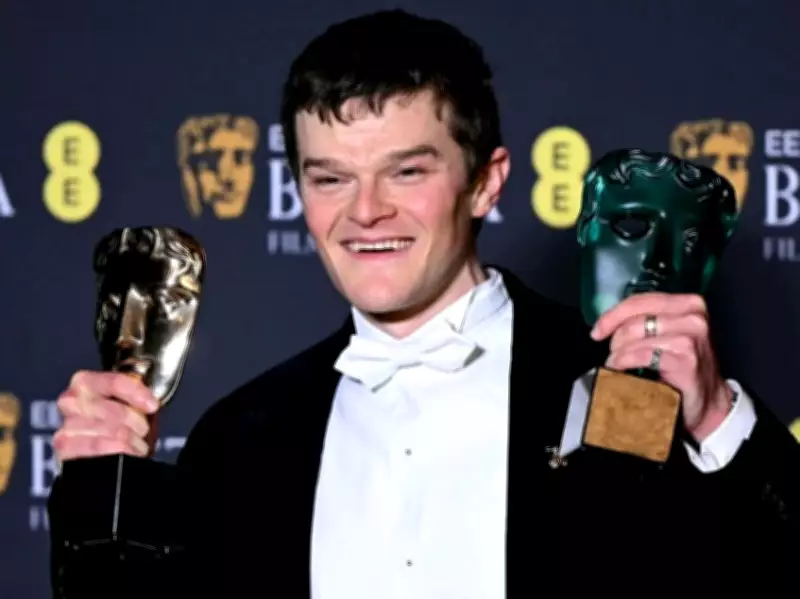
The film "I Swear," which won the best actor prize for Robert Aramayo, portrays a man with Tourette's syndrome and is inspired by Davidson's real-life experiences. Aramayo's performance triumphed over established stars such as Timothee Chalamet and Leonardo DiCaprio, highlighting the film's impact and the importance of raising awareness about neurological conditions.
This incident underscores the challenges broadcasters face in balancing live event coverage with content editing, particularly when involuntary conditions are involved. The BBC's apology and subsequent editing reflect ongoing efforts to address sensitive content while maintaining transparency with viewers.