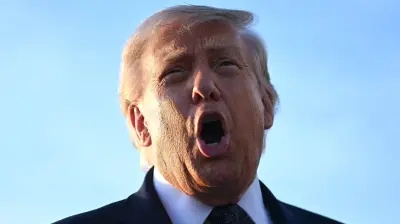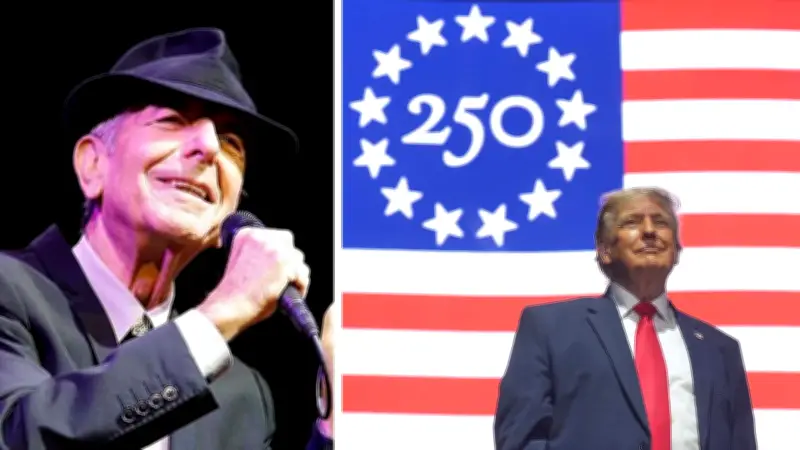
The estate of Leonard Cohen has publicly condemned the use of the late singer's iconic song 'Hallelujah' at a political rally for former U.S. President Donald Trump. The performance occurred on June 24, 2026, during Trump's speech at the Great American State Fair on the National Mall in Washington, D.C.
Estate's Strong Objection
In a statement released on June 25, the Cohen estate expressed its disapproval, stating that the use of 'Hallelujah' was unauthorized and 'tasteless.' The estate emphasized that Cohen's music should not be associated with any political figure or movement, particularly one that does not align with the values Cohen espoused during his lifetime. The statement read: 'The Cohen estate did not grant permission for the use of 'Hallelujah' at this event, and we find the appropriation of Leonard's work for political purposes deeply offensive.'
Background of the Song
'Hallelujah,' released in 1984, has become one of Cohen's most enduring and covered songs, often associated with themes of love, loss, and redemption. The song has been performed at numerous public events, but its use at political rallies has sparked controversy in the past. In 2017, after Cohen's death, the estate similarly objected when the song was used at a Republican event.

Legal and Ethical Implications
The unauthorized use of copyrighted music at political events is a recurring issue. Artists and their estates frequently object to such use, citing both copyright infringement and the implication of endorsement. According to U.S. copyright law, permission is required to publicly perform a copyrighted work. The Cohen estate has not indicated whether it will pursue legal action, but the statement serves as a clear public rebuke.
Reaction from the Public
The incident has drawn widespread criticism on social media, with many fans and commentators expressing support for the estate's stance. Some noted the irony of using a song about brokenness and transcendence at a political rally. Others pointed out that Cohen, who was known for his progressive views and Jewish heritage, would likely have opposed the use of his work by a figure like Trump.