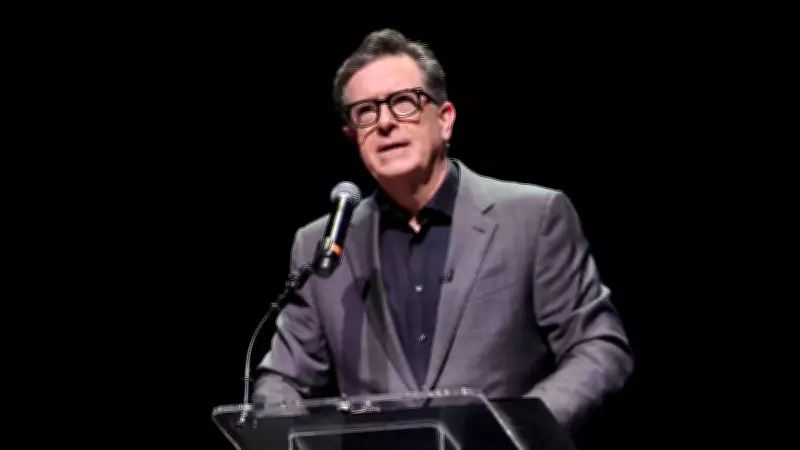
Colbert Alleges CBS Axed Interview with Democratic Candidate Following FCC Pressure
In a striking revelation during his Monday evening broadcast, late-night host Stephen Colbert asserted that CBS executives decided to scrap a planned interview with Democratic Senate candidate James Talarico. Colbert directly attributed this cancellation to what he described as threats issued by the Federal Communications Commission (FCC) under the Trump administration targeting late-night television shows.
Political Interference in Broadcast Media Alleged
The comedian and political commentator detailed how network management informed him that the segment featuring Talarico would not air. This decision reportedly came after the FCC, then chaired by a Trump appointee, made veiled threats regarding regulatory scrutiny of late-night programming content. Colbert emphasized that this represents a concerning precedent of political pressure influencing editorial decisions in broadcast journalism.
Context of Regulatory Climate
The incident allegedly occurred during a period when the Trump administration frequently criticized media outlets, particularly those featuring political satire and commentary. Late-night shows have historically operated within a framework of protected speech, but Colbert suggested that regulatory threats created a chilling effect at CBS. The network, which broadcasts "The Late Show with Stephen Colbert," apparently opted for caution rather than risk potential FCC repercussions.

James Talarico, a Democratic candidate for Senate, was scheduled to discuss his campaign and policy positions. His platform includes education reform and healthcare expansion, topics Colbert typically explores with political guests. The cancellation prevented this discussion from reaching Colbert's substantial audience of approximately 3.5 million nightly viewers.
Broader Implications for Media Freedom
This allegation raises significant questions about:
- The independence of broadcast networks from regulatory pressure
- The boundaries of FCC authority over program content
- The impact on political discourse when candidate interviews are suppressed
- The vulnerability of satire and commentary to political interference
Colbert's disclosure adds to ongoing debates about media freedom during polarized political eras. While CBS has not publicly commented on the specific allegation, the network has previously defended its editorial independence. The FCC under the Trump administration consistently denied targeting specific programs, maintaining that its oversight focused on technical compliance rather than content regulation.
Nevertheless, Colbert's account suggests that perceived regulatory threats can effectively shape broadcast content even without formal sanctions. This incident underscores the delicate balance broadcasters must maintain between provocative commentary and regulatory compliance, particularly when covering politically sensitive material during election cycles.