Crystal Hefner Takes Legal Action Over Hugh Hefner's Controversial Scrapbooks
Crystal Hefner, the widow of Playboy founder Hugh Hefner, has initiated a significant legal battle by filing two regulatory complaints against the Hugh M. Hefner Foundation. The complaints allege that the foundation possesses approximately 3,000 personal scrapbooks belonging to Hugh Hefner, which contain thousands of explicit photographs of women, some potentially underage at the time the images were taken.
Allegations of Non-Consensual and Exploitative Content
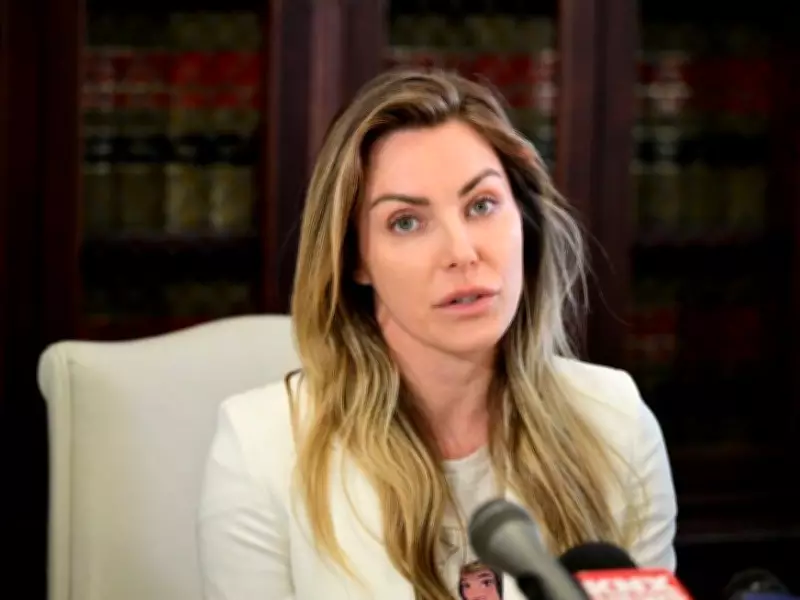
During a press conference held in Los Angeles on February 17, 2026, Crystal Hefner, accompanied by high-profile attorney Gloria Allred, detailed the disturbing nature of the materials. She stated that the scrapbooks, which date back to the 1960s, feature nude women engaged in sexual activity and intimate moments, many of which were never published in Playboy magazines. "They may also contain images of women who did not consent to their images being taken in the first place," Crystal emphasized, highlighting concerns over consent and exploitation.
Allred further claimed that some of the photographs might have been taken while the women were intoxicated, adding to the ethical and legal complexities. The scrapbooks are described as chronicling private moments behind closed doors, raising alarms about privacy violations and potential distribution of intimate materials without permission.

Foundation's Response and Crystal's Removal
Crystal Hefner revealed that she was removed as president of the Hugh M. Hefner Foundation on Monday, shortly after voicing her concerns about the scrapbooks. She had previously been asked to resign but refused, according to reports from CBS News. The foundation, a non-profit organization dedicated to defending civil liberties and rights, has not yet commented on the allegations or Crystal's dismissal.
The current whereabouts of the scrapbooks remain unclear, but Crystal alleges they could be stored at private facilities in California. She expressed fears that the images might be scanned and digitized, potentially leading to further unauthorized distribution. "Crystal did not consent to having her intimate images stored by and accessible to the foundation, and we believe that many of the other women and or girls depicted did not consent either," Allred stated during the press conference.
Legal Complaints and Calls for Investigation
Regulatory complaints have been filed with the attorney general offices in both California, where Hugh Hefner resided, and Illinois, where the foundation is headquartered. Allred is requesting a thorough investigation into how the images are being handled and stored, aiming to prevent any future distribution and ensure the destruction of non-consensual materials.
A spokesperson for the Illinois Attorney General's Office confirmed to CNN that the complaint has been received and is under review. Crystal Hefner clarified that she is not seeking financial compensation but rather "dignity, safety and the destruction of non-consensual intimate materials so that the exploitation does not continue under the banner of philanthropy." She framed the issue as a civil rights matter, asserting that "women's bodies are not property, not history, and not collectibles."
Broader Implications and Historical Context
This case sheds light on the darker aspects of the Playboy legacy, coming at a time when the brand has faced criticism and attempted rebrands. The allegations involve decades of potentially exploitative practices, with Crystal estimating that thousands of women could be affected. The scrapbooks are said to include not only photographs but also Hugh Hefner's diary, which reportedly contains graphic details about sexual encounters and even tracked menstrual cycles of partners.
As the legal proceedings unfold, this story underscores ongoing debates about consent, privacy, and the ethical responsibilities of organizations handling sensitive materials. The outcome could set precedents for how similar cases are addressed in the future, particularly involving historical figures and their estates.