Doja Cat Issues Public Apology After Backlash Over Timothée Chalamet Comments
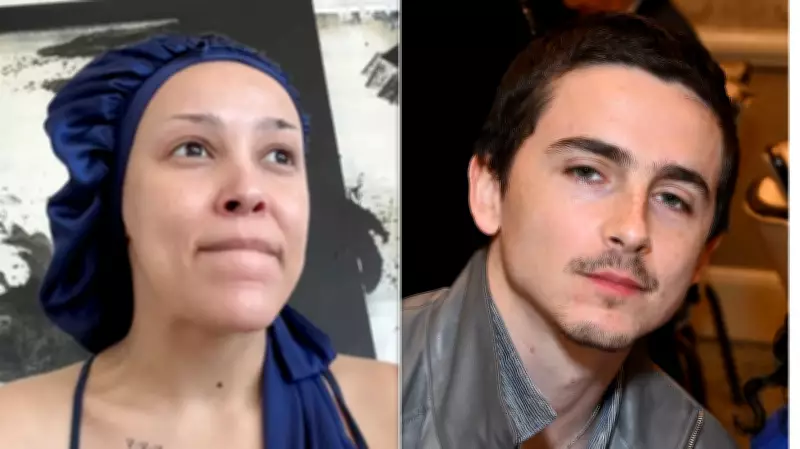
In a surprising reversal, rapper Doja Cat has publicly walked back her criticism of actor Timothée Chalamet regarding his controversial statements about ballet and opera. The musical artist initially joined widespread online condemnation of Chalamet before having a significant change of heart just one day later.
From Criticism to Contrition: A Social Media Reversal
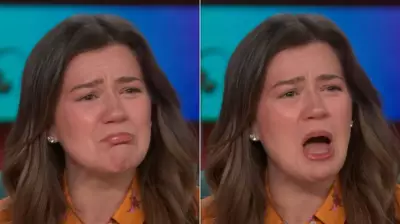
Doja Cat originally slammed the acclaimed actor in a TikTok video posted on Tuesday, which she has since deleted from her account. The video responded to Chalamet's recent comments suggesting that "no one cares" about ballet and opera anymore. However, by Wednesday, the rapper posted a follow-up video expressing remorse to her more than 27 million followers.
"I made those remarks in the heat of the moment," Doja Cat confessed in her apology video. "I am going to come out and say that I know nothing about opera. I know nothing about ballet." She elaborated that she has never attended a ballet performance or seen an opera production, despite her initial strong opinions on the subject.

The Psychology Behind the Outrage
The artist provided a candid analysis of her own behavior, explaining that she participated in what she described as "a culture based around outrage" where people feel compelled to join collective criticism to establish connections with others. "It's a need to connect, whether good or bad," she reflected, acknowledging the social dynamics that drive viral criticism on digital platforms.
Doja Cat revealed that her perspective shifted after watching a TikTok video from an opera expert who provided context about Chalamet's remarks. While she still believes the actor expressed himself poorly, she now agrees with his underlying point that opera and ballet represent "really old art forms" in what she characterized as a "dying industry."
Confession of 'Virtue Signaling' for Engagement
In perhaps her most revealing admission, the songwriter confessed that her initial criticism constituted "virtue signaling" designed to generate social media engagement. "I knew that Timothée's goof-up was something that I could leverage in order for people to connect with me," she stated frankly.
She described this approach as "a modern way to garner clicks, likes, approval and all kinds of things like that from people," acknowledging the economic and social incentives that drive controversial content creation. Doja Cat admitted she didn't fully consider her motivations at the time, simply following the online outrage trend.
The Aftermath of Seeking Validation
The rapper expressed particular regret about her desire for social validation, stating: "I wanted to be pat on the back the way everybody else is patting each other on the back in the comments sections. And I wanted to look like a hero, and that's what happened. And when I got it, I didn't like it so much."
She told her followers she feels "not proud" of her initial video and characterized it as another instance of impulsive thinking that she later reconsidered. "Sometimes I think shit and then I'm like, never mind," she summarized with characteristic bluntness.
Context: Chalamet's Original Controversial Remarks
The controversy originated during a CNN and Variety town hall event in Austin, Texas last month, where Timothée Chalamet participated alongside actor Matthew McConaughey. During the discussion, Chalamet expressed his artistic preferences, stating: "I don't want to be working in ballet or opera where it's like, 'Hey, keep this thing alive, even though no one cares about this anymore.'"
He quickly attempted to soften his statement by adding: "All respect to the ballet and opera people out there. Damn, I just took shots for no reason." Despite this qualification, social media users mobilized against him, with prominent institutions including The Los Angeles Opera and London's Royal Ballet and Opera joining the criticism before Doja Cat's subsequent apology reshaped the conversation.