Hilary Duff Confirms Estrangement from Sister Haylie in Emotional Interview
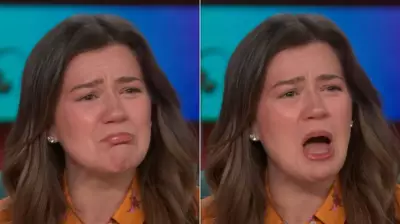
In a deeply personal interview with CBS this week, singer and actor Hilary Duff confirmed long-standing speculation about her strained relationship with her older sister, Haylie Duff. The revelation came as she discussed her new album, "luck.. or something," released on Friday, which includes the poignant track "We Don't Talk." Duff revealed that the song is "definitely about my sister," marking a rare public acknowledgment of their estrangement.
The Emotional Toll of Family Separation
Duff described the situation as "the most lonely part of my existence," expressing sadness over not having her sister in her life currently. She explained that while she struggled with the decision to address their relationship in her music, she ultimately chose to share her "truth." The lyrics of "We Don't Talk" reflect this emotional complexity, with lines like "I'm not sure when it happened / Not even sure what it was about" and "Cause we come from the same home, the same blood / A different combination, but the same lock."
When asked if she hoped her sister would hear the song, Duff responded that she didn't believe it would help the situation. "I think I have to just exist as a person on my own and do what I want to do," she said, emphasizing the importance of personal well-being. "It's taken me a lot of time to get there and to live that way." A representative for Haylie Duff did not immediately return a request for comment on the matter.

Therapists Advocate for Family Estrangement as a Healthy Option
Mental health professionals specializing in family dynamics and life transitions have weighed in on the topic, suggesting that family estrangement can indeed be a "healthy" or even "healthiest" choice in certain circumstances. Whitney McSparran, a licensed professional clinical counselor with Thriveworks, explained that while all family dynamics are unique, the impact of estrangement on health and well-being can vary significantly.
"Just as all family and family dynamics are unique, the impact of estrangement on health and well-being can vary," McSparran told HuffPost. "Even when discontinuing contact with a family member is ultimately healthy, feelings of grief, sadness, loss, resentment, anger and unresolved hurt are common." She warned that without proper support to process these emotions, they can negatively affect overall mood, functioning, and other significant relationships.
When Estrangement Becomes Necessary
McSparran emphasized that choosing to eliminate or limit contact can be the healthiest decision when continuing the relationship means continued harm. This includes situations involving abusive behavior—whether emotional, physical, sexual, verbal, or financial—negative impacts on mental health or recovery processes, or harm to those for whom one is responsible, particularly children.
Kathryn Nin Emery, another licensed professional counselor with Thriveworks who specializes in family dynamics, echoed this sentiment. She stated that it can "absolutely" be healthy to limit or reduce contact with a family member, noting that not distancing oneself from an unhealthy relationship can have grave effects on health.
"If cases of chronic abuse and neglect are left unattended, persons can develop severe body-based symptoms and chronic conditions from the years of stress," Emery explained. "I tend to see gastro-intestinal issues, autoimmune issues, and chronic pain as potential symptoms of the chronic strain." She added that chronic exposure to shame-based language, verbal abuse, put-downs, humiliations, and manipulation can lead to deep-seated shame and self-worth struggles that may require years of therapy to repair.
Guidance for Navigating Family Estrangement
For those considering family estrangement, McSparran recommends asking several key questions to guide the decision-making process:

- What do I hope going no or low contact will change? What specifically do I want this to look like?
- Am I open to resuming or increasing contact in the future? If so, what would need to change for that to be a safe choice for me and those I am responsible for?
- What are the potential "consequences" of going no or low contact? Am I ready to cope with that reality? How may this impact my other relationships?
- Who are my supports going through this process? Who do I want to know about it or be involved?
- How will I care for myself?
Emery suggests exploring whether family issues are affecting physical, financial, mental, or emotional safety. She recommends asking questions like "How is my body reacting when I am around them?" or "Am I experiencing abuse or neglect?" Some individuals may find writing a letter to family members productive, while others might have resources to educate their family about addressing harm.
The Importance of Professional and Community Support
Both therapists strongly advocate for seeking professional support during family estrangement. McSparran noted that talking with a mental health professional can be "extremely" helpful when navigating complicated family dynamics. "A therapist can support you in processing your conflicting and complicated emotions, develop skills and strategies for managing potential consequences, and supporting you in strengthening your support network," she said.
Emery emphasized the value of community support alongside professional guidance. "The profound grief of family estrangement is not something to be faced alone," she stated. "One needs community and social support and should be advised to fight isolation tendencies. You are not alone in this process, and social support, even if it feels counterintuitive, is one of the most research-backed beneficial choices you can pursue, so please do."
As Hilary Duff's experience highlights, family estrangement is a complex and emotionally charged issue that affects many individuals. While it can be a painful decision, mental health experts affirm that in certain situations, it may be the healthiest path forward, underscoring the importance of self-care and professional support in navigating these challenging dynamics.