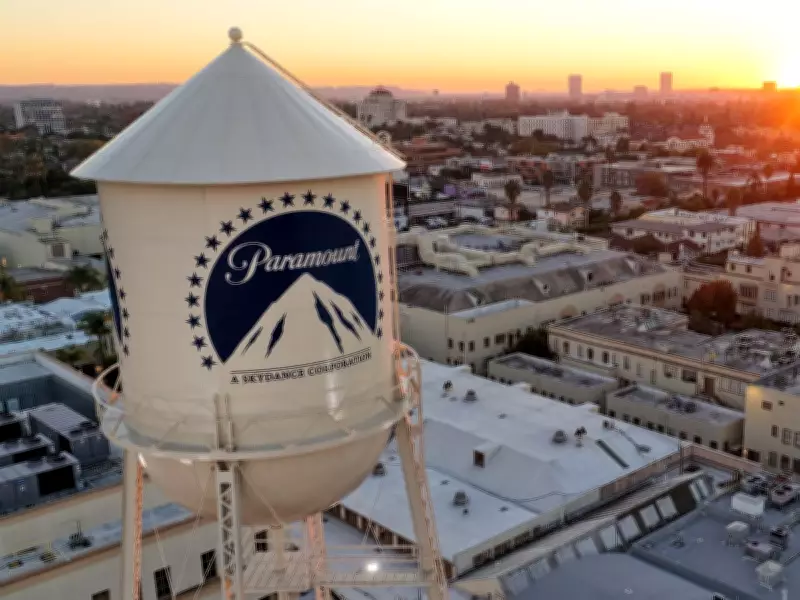
Hollywood Stars Unite Against Paramount-Warner Merger Over Job Loss Fears
More than one thousand prominent Hollywood actors, directors, and screenwriters have signed an open letter expressing strong opposition to the proposed $110 billion takeover of Warner Bros. Discovery Inc. by Paramount Skydance Corp. The letter cites significant concerns about potential job losses, higher costs, and reduced choices for consumers in an already concentrated media landscape.
Celebrity Opposition and Regulatory Scrutiny
High-profile figures including Joaquin Phoenix, Glenn Close, and Adam McKay are among those who have signed the letter, which states unequivocal opposition to the merger proposal. The deal is currently undergoing regulatory review in the United States and Europe, with additional scrutiny expected from the United Kingdom. The letter argues that this transaction would further consolidate media power at a time when the industry and audiences can least afford reduced competition.
"This transaction would further consolidate an already concentrated media landscape, reducing competition at a moment when our industries—and the audiences we serve—can least afford it," according to the letter. "The result will be fewer opportunities for creators, fewer jobs across the production ecosystem, higher costs, and less choice for audiences in the United States and around the world."

Paramount's Response and Corporate Strategy
Paramount has acknowledged the concerns raised by the creative community while defending the proposed merger. In a statement, the company said it respects the commitment to protecting and expanding creativity and believes the transaction will bring together complementary strengths. Paramount claims the combined entity will be able to greenlight more projects, support bold ideas, back talent across multiple career stages, and deliver stories to audiences on a truly global scale.
Paramount chief executive David Ellison has made specific commitments regarding the merged company's operations, including releasing 30 feature films in theaters annually, continuing investments in movies and television, and maintaining the HBO streaming platform. These assurances come as the company faces significant regulatory hurdles that could prove costly if the deal fails to gain approval.
Union Concerns and Industry Impact
Throughout the merger process, Hollywood unions have consistently raised alarms about potential job losses in an industry that has already experienced substantial layoffs in recent years. The Warner Bros. board previously advised shareholders to reject the bid in mid-December, arguing that Paramount's targeted $9 billion in cost savings—including from its earlier merger with Skydance and the proposed Warner Bros. acquisition—would make Hollywood weaker rather than stronger.
United States Senator Elizabeth Warren has also expressed serious concerns about the deal, describing Paramount's offer as a "five-alarm antitrust fire" that warrants close examination. The regulatory challenges could prove expensive for Paramount, which has agreed to pay a $7 billion termination fee if regulators block the deal, plus a quarterly "ticking fee" of 25 cents per share after September 30 if the transaction doesn't close. The company has already paid a $2.8 billion breakup fee to Netflix on behalf of Warner Bros.
Background and Competitive Landscape
After a contentious, months-long battle, Paramount outbid Netflix Inc. in February to secure the Warner Bros. deal, which would create a sprawling media empire. The combined company would control two legacy studios, two streaming services including Warner Bros.' HBO Max, two major news networks in CNN and CBS, and dozens of cable channels. This consolidation comes at a time when the entertainment industry faces significant transformation and challenges related to streaming competition and changing consumer viewing habits.

The opposition from Hollywood creatives represents a significant challenge to the proposed merger, highlighting the tension between corporate consolidation and the preservation of creative opportunities and employment within the film and television industry. As regulatory reviews continue on both sides of the Atlantic, the fate of this massive media merger remains uncertain, with substantial financial and creative implications hanging in the balance.