Taylor Swift Faces Legal Challenge Over 'Showgirl' Pose at MTV VMAs
A lawsuit has been filed alleging that Taylor Swift's celebrated 'Showgirl' pose from the 2024 MTV Video Music Awards infringes on the intellectual property of a professional showgirl. The legal action claims the pop superstar's performance too closely mirrors the unique artistic expression of the real performer, sparking a debate over creative boundaries in the entertainment industry.
Details of the Alleged Infringement
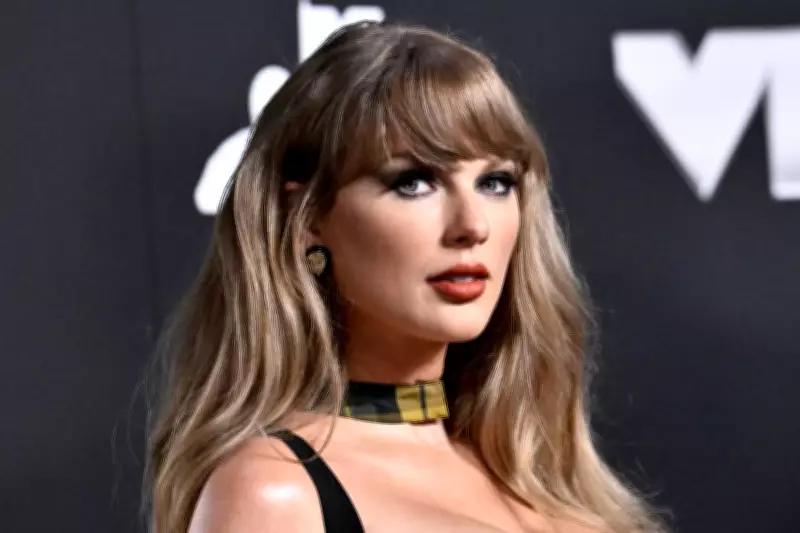
The suit focuses on Swift's appearance at the MTV VMAs held in Elmont, New York, on September 11, 2024. During her performance, Swift struck a pose that plaintiffs argue is substantially similar to a signature move developed and performed by the showgirl over many years. Photographic evidence from the event, including images by Evan Agostini, is being cited to support the claim of visual resemblance.
The plaintiff's legal team contends that Swift's use of the pose constitutes unauthorized appropriation of protected artistic work. They emphasize that the showgirl has built a career around this distinctive performance element, which they argue is now being associated with Swift without proper credit or compensation.

Broader Implications for Entertainment Industry
This case raises significant questions about where inspiration ends and infringement begins in performance art. Legal experts note that while dance moves and poses often exist in a gray area of copyright law, particularly distinctive and recognizable elements may receive stronger protection.
The entertainment world is watching closely as this lawsuit could establish important precedents for how performers protect their unique artistic expressions. Similar cases have historically involved choreography disputes, but this focuses specifically on a singular pose within a larger performance context.
Swift's Team Responds
While representatives for Taylor Swift have not issued a formal statement regarding the lawsuit, industry observers expect a vigorous defense. Swift has frequently drawn inspiration from various performance traditions throughout her career, and her legal team will likely argue that the pose in question represents a common theatrical element rather than a proprietary creation.
The timing of the lawsuit comes as Swift continues her record-breaking Eras Tour, which incorporates numerous theatrical elements and choreographed moments. Legal analysts suggest the case may hinge on whether the pose can be considered sufficiently original to warrant protection, or whether it falls into the category of common performance vocabulary.
As the legal process unfolds, both the entertainment industry and intellectual property experts will be monitoring how courts balance artistic freedom against creators' rights to protect their distinctive work.