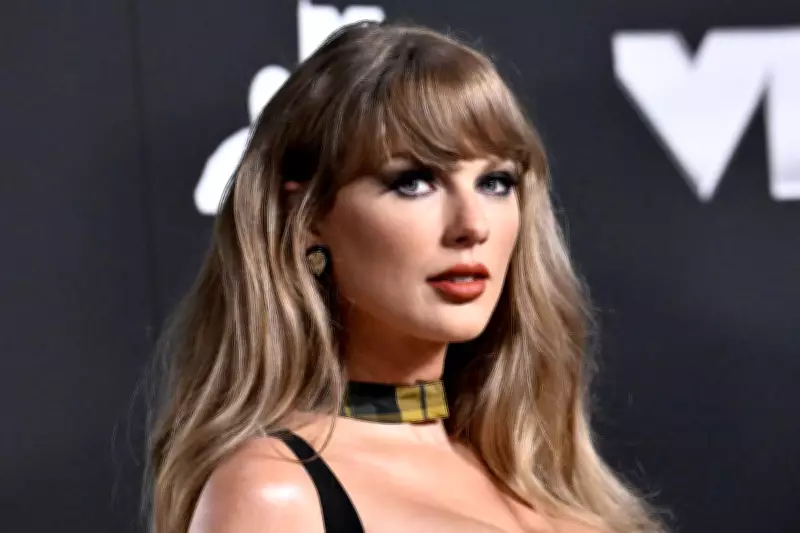
Taylor Swift has taken legal steps to protect her identity in the digital age by filing trademark applications for her voice and likeness. The move aims to ward off unauthorized artificial intelligence-generated deepfakes that could misuse her image and sound.
Protecting Artistic Identity
The filing, reported by Reuters, underscores growing concerns among celebrities about AI technology being used to create realistic but fake content. Swift's legal team seeks to secure exclusive rights to her vocal and visual attributes, preventing others from exploiting them without permission.
Industry Implications
This proactive measure could set a precedent for other artists and public figures. As AI tools become more accessible, the potential for misuse increases. Swift's action highlights the need for updated legal frameworks to address digital impersonation and intellectual property in the era of generative AI.

The trademark applications cover a range of uses, including audio and video recordings, performances, and merchandise. If approved, they would give Swift legal grounds to challenge unauthorized AI-generated content that mimics her.
Experts note that while copyright law protects original works, it does not always cover an individual's voice or likeness in the context of AI-generated media. Swift's move may prompt legislative discussions on digital rights and personality protections.