Calgary Philharmonic Chorus Triumphs in Demanding Verdi Requiem Performance
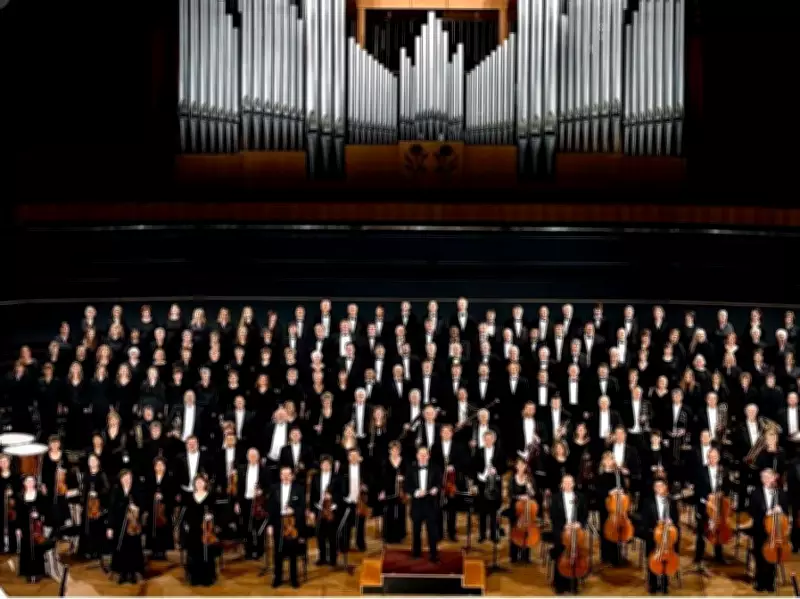
Among the monumental works in the choral repertoire, Giuseppe Verdi's Requiem stands as a pinnacle of musical achievement. This demanding masterpiece requires four soloists with operatic-caliber voices and a large, highly capable choir capable of producing resounding power during the dramatic Dies Irae section. Few compositions place such substantial demands on both chorus and orchestra, necessitating extensive preparation, particularly for the choral ensemble.
Exceptional Preparation Yields Outstanding Results
The Calgary Philharmonic Chorus clearly invested the necessary hours of preparation for their recent performance of this challenging work. Under the capable leadership of Mark Bartel, the chorus delivered numerous thrilling moments that captivated the capacity audience attending this fine presentation of one of Verdi's greatest masterpieces.
Seasoned concert attendees often question whether any chorus can meet the formidable challenges presented by the Dies Irae, which demands brutal vocal force, alongside the sprightly requirements of the richly complex Sanctus movement. These sections, along with other moments throughout the work, impose operatic vocal demands upon amateur singers. The Calgary Philharmonic Chorus not only met these challenges but exceeded expectations, delivering a performance equal to exceptionally fine renditions from previous years when Tim Schantz led the ensemble.

Clearly, the chorus remains in excellent hands with Bartel's direction. The ensemble continues to demonstrate both the strength and delicacy required to successfully execute one of Verdi's most glorious and difficult compositions.
Operatic Soloists Elevate the Performance
Often sounding like preparation for Verdi's opera Aida, the Requiem also demands a quartet of operatic singers capable of soaring to vocal heights, whispering expressively, and possessing the vocal ability to transport listeners with their artistry—the very essence of grand opera. The performance featured an excellent group of soloists with the vocal weight necessary for grand opera, each bringing a distinctive approach to their respective parts while remaining individually satisfying.
The soprano carries perhaps the lion's share of the music, with her contribution weighted toward the end of the work in the final Libera Me movement. Verdi frequently reserves his most compelling pages for the soprano, and this composition proves no exception. Soprano Anna Pampeeva approached her music with evident relish, bringing forth the rich expression of Verdi's impassioned composition with full understanding of its dramatic speech and lyricism.
In the preceding Agnus Dei, she partnered with mezzo-soprano Mirelle Lebel in treacherous parallel octaves—intervals that typically sound out of tune but were executed flawlessly here. The Recordare, a duet between the two female soloists, emerged as the performance's high point.
Strong Ensemble Work and Individual Excellence
On her own, Lebel contributed a fine Liber scriptus and joined her fellow soloists in other sections where the vocalists perform as a group. With her strong, firm sound, she balanced effectively with her colleagues, all of whom have music written for the more grateful parts of their vocal registers. The mezzo-soprano part generally proves difficult to make compelling, and that Lebel achieved this among such fine singers stands as testament to her considerable abilities.
The Calgary Philharmonic Chorus's successful navigation of Verdi's Requiem demonstrates the ensemble's continued growth and artistic development under Bartel's leadership. This performance not only met the work's substantial challenges but delivered a memorable musical experience that honored one of the choral repertoire's most demanding masterworks.