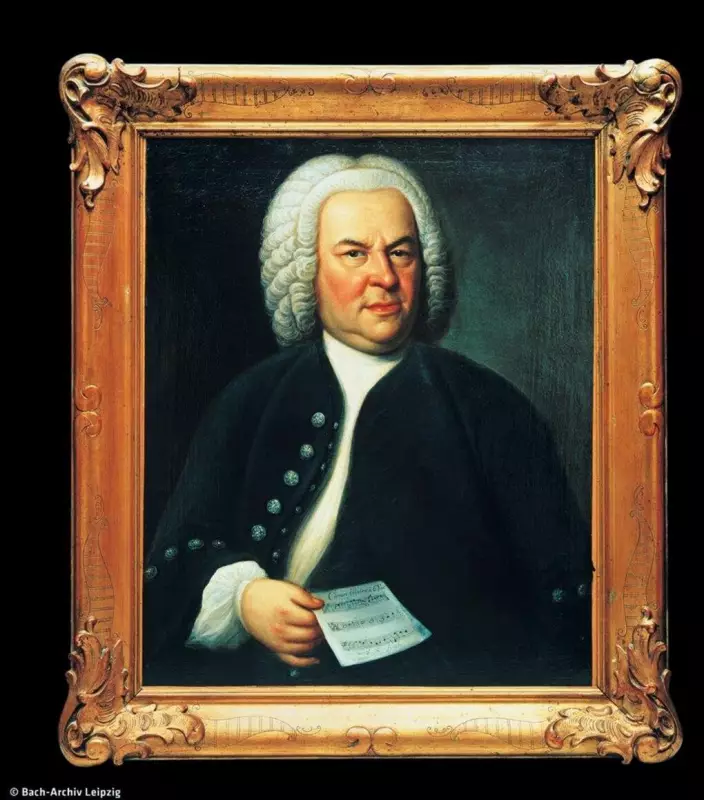
Music historians in Germany have made a remarkable discovery that is set to excite classical music enthusiasts worldwide. Two previously unknown organ works by the legendary composer Johann Sebastian Bach have been officially unveiled, adding new pieces to the Baroque master's extensive repertoire.
The Historical Discovery
The Bach Archive in Leipzig announced the significant find, which came to light after extensive research and authentication processes. The undated reproduction provided by the archive shows the famous portrait of Johann Sebastian Bach painted by Leipzig artist Elias Gottlob Haussmann, serving as a visual connection to the composer's era.
While specific details about the musical compositions remain limited in the initial announcement, the discovery represents a major breakthrough in musicology. Finding new works by Bach, who died in 1750, is exceptionally rare given the centuries of scholarly research dedicated to his life and music.

Significance for Music History
This discovery holds particular importance because Bach's organ works represent some of his most celebrated compositions. As one of history's greatest organists, Bach's contributions to the instrument's repertoire remain foundational to Western classical music.
The authentication process for such discoveries typically involves rigorous examination of manuscript sources, handwriting analysis, and musical style assessment. The fact that these works have been officially recognized by the prestigious Bach Archive lends significant credibility to their provenance.
Impact on Musical Community
For organists and music scholars, the unveiling of new Bach works provides fresh material for performance and study. These compositions will likely be examined for what they might reveal about Bach's compositional development and musical influences.
The discovery also reinforces Germany's position as a center for musicological research and preservation of cultural heritage. As Bach spent significant portions of his career in Leipzig, the city remains intrinsically linked to his legacy and continues to be a hub for scholarship about the composer.
Music historians anticipate that these newly discovered works will soon be available for public performance and academic study, offering new insights into one of classical music's most revered figures.