A Glimpse Behind the Velvet Rope
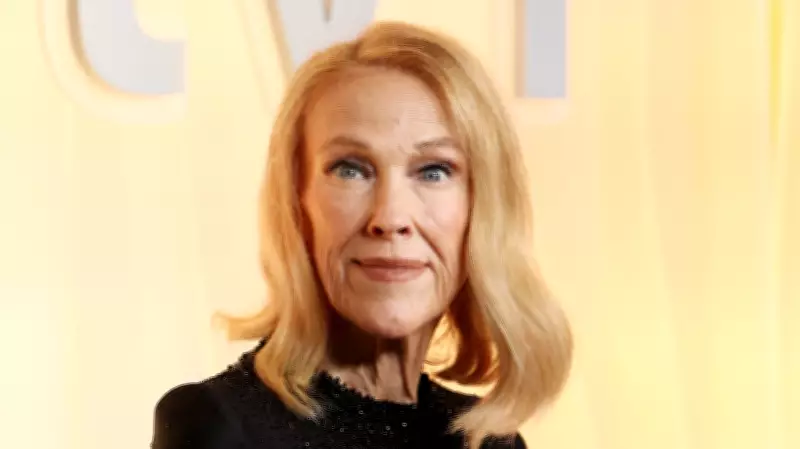
Catherine O'Hara leaned forward in the booth, her eyes sparkling with genuine curiosity. "What's your name?" she asked. "What's your story?" This simple question came at a pivotal moment during my brief, turbulent career as a cocktail server in one of New York City's most exclusive celebrity restaurants.
The Hunger That Brought Me There
Three months earlier, I had been a $35-a-week publishing intern, desperately hungry in every sense of the word. I dropped my resume everywhere that might offer supplemental income, eventually landing three serving jobs simultaneously. One position was at this legendary establishment constantly filled with rock stars, Oscar-winning actors, and supermodels.
During my interview, the manager ignored my flimsy resume and instead assessed my body—my waist, my chest, my legs. He offered me a position in the private lounge where windows were tinted, tables were low and loungy, and only ultra-wealthy patrons and celebrities were permitted. The dress code was specific: all black, dresses only, with hemlines not to exceed my fingertips when my arms hung by my sides.

"We prefer the skirt to graze your first knuckles," he said, making a fist and pointing to the ridged top of his hand for emphasis.
The Rules of Engagement
At 22, fresh out of college and determined to become a writer, I accepted. "If I can make it here..." I thought, embracing the challenge. During training, I discovered three crucial rules:
- We were required to try everything on the menu—a welcome perk for someone accustomed to eating family meal slop before shifts.
- We worked in a "pooled house" where managers gathered and distributed our tips after taking their cut.
- We were absolutely forbidden from acknowledging celebrities. Asking for autographs, photos, or even expressing fandom meant immediate termination.
This last rule proved challenging when Jay-Z, Adam Sandler, and Mariah Carey were among our guests during my first training shift. I lasted one month—just long enough to eat through the entire menu and collect celebrity anecdotes involving Bill Belichick, Jon Bon Jovi, Jonah Hill, and Josh Hartnett.
The Toxic Reality
Behind the glamorous facade, a disturbing reality emerged. After my first shift, I watched my trainer earn over $1,000 in tips but leave with only $220 after management's cut. When I questioned the tip breakdown, I found my manager finishing a line of cocaine in his windowless basement office. He laughed at my confusion, leaving me feeling violated and dejected.
More concerning was the pervasive disordered eating among staff. Years earlier, after my father's sudden death from a heart attack, I had developed my own eating disorder as a coping mechanism. I had slowly healed in college with supportive friends, but now, surrounded by familiar damaging behaviors, my anxiety surged.
My trainer-server, a gorgeous, waifish aspiring actress, refused to eat anything—not even a cucumber. "They put sesame oil on everything," she joked. "I don't eat, really. None of us do." Though I wasn't pursuing acting, I began leaving food on my plate, uneasy but wondering if she had a point. Hunger as discipline. Emptiness as ambition. Maybe fed girls didn't make it in New York City.
The Turning Point
By my last training shift, I was thinner, spiritually beaten down, and worried about returning to dangerous patterns. The restaurant was slow, and my trainer had left me alone to take all the tips. At nearly 9 PM, three women entered: two strangers and Catherine O'Hara.
I froze, remembering O'Hara's squiggly sideburns in "Beetlejuice," her iconic "Kevin!" in "Home Alone," and the countless times my sister and I had watched "Best in Show." How could I possibly serve her without expressing my admiration?
They sat in a window booth, celebrating O'Hara's birthday. Her friends explained their long friendship: "We've been friends forever. They don't let me get away with anything." Her eyes truly sparkled with life and kindness—a cliché I normally avoid as a writer, but here it was undeniable.

A Different Kind of Success
As I watched the three friends enjoy each other's company—ordering starters, a burger, tuna, chicken, sharing wine and giggling like girls—I realized the restaurant had distorted my perception of success. Catherine O'Hara radiated true success, and it wasn't about thinness, ruthless ambition, or even raw talent. It was her sense of self—how she held herself and moved through the world with confidence and humility—that no one could rival or take away.
When I delivered their chocolate soufflé, I broke the cardinal rule. "I'm not supposed to bother our famous diners," I said, "but I just have to tell you how much your acting means to me and my sister. 'Best in Show' is our favorite movie."
"Me?" she said, genuinely incredulous. "Your favorite!"
After wishing her happy birthday and turning away mortified, she called after me: "Wait, what's your name? What's your story?"
The Gift of Recognition
She insisted I join them in their booth. "Every server in this city has an interesting story," she said, gesturing with her spoon, her mouth full of birthday soufflé. I shared my dream of becoming an author and the short story I was working on.
"What if one of the characters dies?" she riffed, delighted. Were we collaborating? I could hardly breathe.
When the manager suddenly appeared from his basement lair, I immediately popped out of the booth. O'Hara winked at me as I walked away. She paid the bill herself, leaving 100% on their $400 check with a note: "I know your day will come. Keep writing."
The Lasting Impact
I never returned to the restaurant after that night. I left before the establishment's toxic culture convinced me I needed to disappear to deserve a future. Many workplace cultures ahead would try to normalize self-erasure as ambition, but Catherine O'Hara had given me something invaluable.
Years later, writing this essay just days after Catherine O'Hara's death, I can still clearly conjure that moment. Thanks to her, I continue to follow my appetite, seek fullness, and believe—even on my hungriest days—that my day will come. She showed me a different way to be an artist and a person, choosing passion, curiosity, individuality, and humility in an industry that often makes that feel impossible.