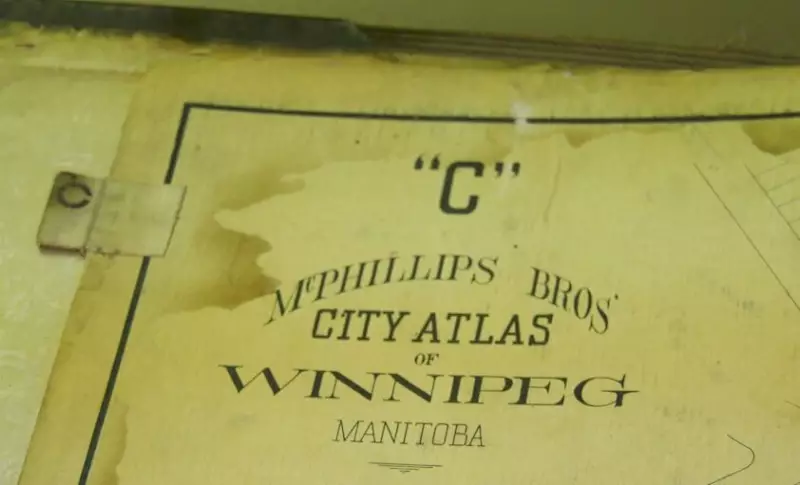
A significant piece of Winnipeg's historical documentation has found a new home through a thoughtful donation to Heritage Winnipeg. The McPhillips Bros' City Atlas of Winnipeg, dating back to 1910, represents a crucial snapshot of the city's development during a pivotal era of growth.
Preserving Winnipeg's Cartographic Heritage
The donated atlas offers more than just maps—it provides a comprehensive view of Winnipeg's urban landscape at the beginning of the 20th century. Created by McPhillips Brothers, the detailed volume shows property boundaries, street layouts, and early infrastructure that formed the foundation of modern Winnipeg.
The decision to donate the atlas to Heritage Winnipeg came from recognizing the organization's expertise in preserving and interpreting historical materials. As one representative noted about the donation process, "It was about putting it in the right place"—acknowledging that proper conservation requires specialized knowledge and facilities.

Documenting a City in Transformation
Published in 1910, the atlas captures Winnipeg during a period of rapid expansion and development. The detailed cartographic work reveals how the city was organized at a time when its population and economic importance were growing significantly.
Historical atlases like this McPhillips Brothers edition serve as invaluable resources for researchers, historians, and urban planners. They document not only the physical layout of the city but also property ownership patterns and the evolution of neighborhood development.
Heritage Winnipeg now assumes responsibility for conserving this fragile document and making it accessible for educational purposes. The organization has extensive experience in handling historical artifacts and ensuring they remain available for future generations to study and appreciate.
Importance of Historical Preservation
This donation highlights the ongoing importance of preserving physical historical documents even in our digital age. While modern mapping technology provides immediate access to current geographic information, historical atlases offer context about how cities evolved over time.
The 1910 atlas will join other important documents in Heritage Winnipeg's collection, contributing to a more complete understanding of the city's development. Such materials help researchers trace the growth patterns, economic shifts, and social changes that have shaped contemporary Winnipeg.
As Heritage Winnipeg integrates this new acquisition into its archives, the organization continues its mission to protect and promote the city's architectural and historical heritage. The atlas donation represents another step in preserving the tangible evidence of Winnipeg's rich history for years to come.