North American Chinatown Leaders Convene in Vancouver to Address Neighborhood Preservation
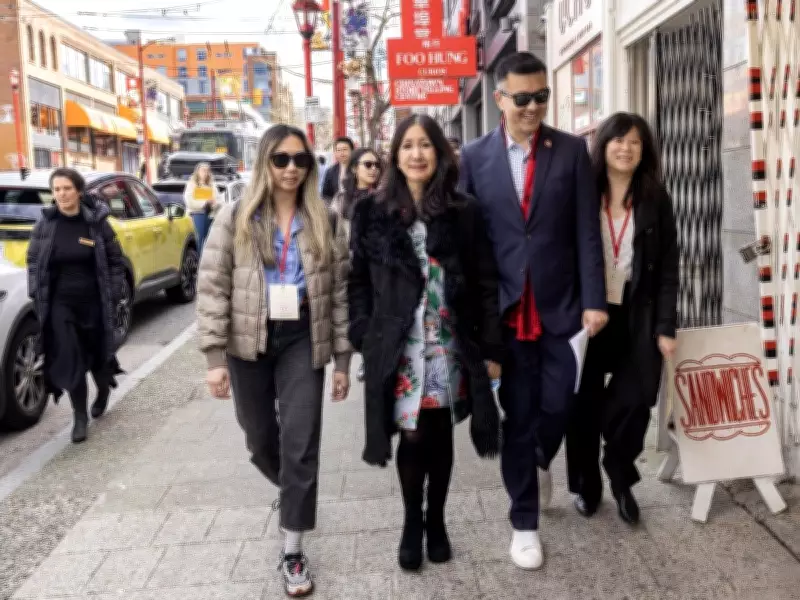
Dozens of community leaders representing 22 Chinatowns across North America participated in walking tours through Vancouver's historic Chinatown this week, visiting long-established storefronts and examining a recently completed affordable housing complex. The tours were part of a three-day summit focused on developing strategies to preserve the cultural heritage and revitalize the economic vitality of these historic neighborhoods, which organizers warn are "at risk of disappearing."
Common Challenges Across North American Chinatowns
While each Chinatown faces unique circumstances, a report from previous summits identified several shared challenges affecting these communities throughout North America. These include escalating rental costs, displacement of long-term residents and businesses, and planning processes that often fail to adequately address community needs. The current summit represents the third such gathering in the past four years, building on previous discussions and initiatives.
"What we want to do is make sure we're modernizing Chinatowns, and when you talk about revitalization efforts, it's also about making Chinatown appealing," explained Vancouver-based Brian Pang, co-lead of the Chinatown Solidarity Summit. "It started off as a safe haven, but now it's also a destination, and we want to ensure that continues."

Balancing History with Contemporary Relevance
Among the 65 Canadian and American Chinatown leaders participating was Vic Lee, co-founder and executive director of a non-profit organization supporting Manhattan's Chinatown. Lee emphasized the dual importance of honoring Chinatowns' historical significance as safe havens for working-class immigrants with limited rights while simultaneously embracing necessary evolution to maintain contemporary relevance.
"You have to have some original tie to the concept of being a 'safe haven,' but you can't approach it by thinking that, because of the way Chinatowns were started, that things can't change," Lee stated. "We have to be able to embrace change, but alongside history."
Examining Local Initiatives and Metrics
Summit participants visited Bob & Michael's Place, a 10-storey residential building containing 231 units at 32 West Hastings Street. Opened by the Vancouver Chinatown Foundation in 2024, the development offers microsuites, studios, and one- and two-bedroom apartments specifically designed to address community housing needs in the area.
The group also observed long-standing retailers that have collaborated with the foundation in recent years, utilizing government funding to enhance storefront appearances and implement social media marketing campaigns aimed at attracting and retaining customers.
According to City of Vancouver data tracking storefront vacancies, while vacancy rates in the Hastings Crossing, Strathcona, and Chinatown Business Improvement Areas showed improvement in 2025, all three districts remained significantly above the 10 percent threshold considered healthy for commercial districts:
- Hastings Crossing: 26.8% vacancy rate
- Strathcona: 18.4% vacancy rate
- Chinatown: 16.2% vacancy rate
Leaders acknowledged that multiple metrics can be employed to assess Chinatown vitality, including resident and visitor numbers, preservation of legacy businesses and heritage buildings, and crime statistics. However, they noted the absence of standardized approaches for measuring neighborhood health across different communities.
The summit follows New York's hosting of the previous gathering in 2024, continuing an ongoing dialogue about sustainable preservation strategies for North America's historic Chinatown districts.