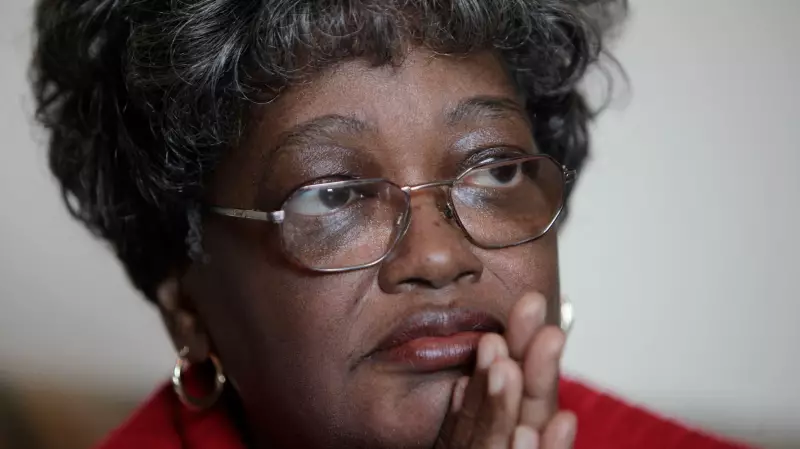
The civil rights movement has lost one of its foundational figures. Claudette Colvin, a Black teenager whose defiant act of resistance on a segregated Montgomery bus in 1955 helped ignite the modern fight for racial equality, has died. She was 86 years old.
A Teenager's Defiance That Changed History
Her passing was confirmed on Tuesday by the Claudette Colvin Legacy Foundation. Ashley D. Roseboro of the organization stated that Colvin died in Texas. Her story is a crucial, yet sometimes overlooked, chapter in the struggle for justice.
Months before Rosa Parks' famous act of civil disobedience, a 15-year-old Colvin took a stand. On March 2, 1955, a bus driver in Montgomery, Alabama, called police to report that two Black girls were sitting too close to two white girls, violating the city's strict segregation laws.

While one of the girls moved when ordered, Colvin refused. She was forcibly removed from the bus and arrested. This bold act by a high school student set in motion a series of events that would challenge institutionalized racism.
The Legal Battle That Followed
Colvin's courage extended beyond that single day. She became a key plaintiff in the landmark federal lawsuit Browder v. Gayle. This crucial legal case successfully challenged the constitutionality of Montgomery's segregated busing laws.
The 1956 Supreme Court decision that resulted from this lawsuit ultimately ruled that racial segregation on public buses was illegal. This victory was a monumental achievement for the civil rights movement and directly supported the ongoing Montgomery Bus Boycott.
A Legacy of Courage and Justice
For decades, Claudette Colvin's story remained less known than that of Rosa Parks, who was also arrested for a similar act in December 1955. Historians note that civil rights leaders at the time made a strategic decision to spotlight Parks, an older woman, as the ideal symbol for their campaign.
However, Colvin's contribution was no less vital. Her teenage resolve provided early, critical momentum and a powerful legal precedent. Her life stands as a testament to the idea that acts of courage, no matter the age of the person who makes them, can alter the course of history and advance the cause of justice for all.
The story of Claudette Colvin reminds us that the fight for equality is often built on the collective actions of many brave individuals, whose names we must continue to honour and remember.