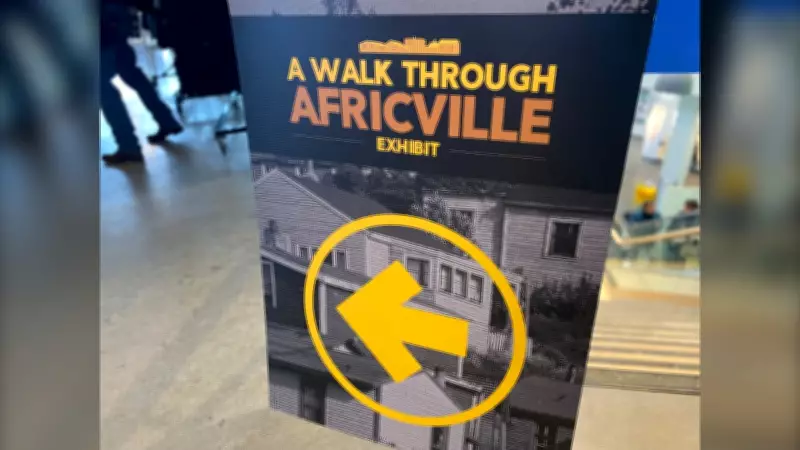
Dartmouth Exhibit at Ikea Honors Historic Africville Community
A poignant traveling exhibition that pays tribute to the historic Africville community has found a temporary home at the Ikea store in Dartmouth, Nova Scotia. This display serves as a powerful reminder of Africville's rich heritage and the resilience of its former residents.
Celebrating a Legacy
The exhibit, which is open to the public, showcases photographs, artifacts, and narratives that chronicle the life and history of Africville. Established in the mid-19th century, Africville was a predominantly Black settlement located on the shores of the Bedford Basin in Halifax. For over 150 years, it thrived as a close-knit community despite facing systemic neglect and discrimination.
In the 1960s, the community was forcibly relocated and demolished by the City of Halifax, an action that has since been recognized as a grave injustice. This exhibit aims to educate visitors about Africville's story, emphasizing its cultural contributions and the ongoing efforts for reconciliation and remembrance.

A Unique Venue for Reflection
Hosting the exhibit at Ikea in Dartmouth provides a unique and accessible venue, drawing in a diverse audience who might not otherwise engage with this important chapter of Canadian history. The location underscores the significance of bringing Africville's legacy into everyday spaces, fostering broader public awareness and dialogue.
Organizers describe the exhibit as a "beautiful place to be", offering a space for reflection and learning. It highlights how communities like Africville have shaped Nova Scotia's social fabric and the importance of preserving their memories for future generations.
Impact and Community Response
The display has garnered positive responses from locals and visitors alike, many of whom express appreciation for the opportunity to connect with this history. It serves as a testament to the enduring spirit of Africville's descendants and their ongoing advocacy for recognition and justice.
By honoring Africville through such exhibitions, Nova Scotia continues to confront its past while promoting inclusivity and cultural understanding. This initiative not only commemorates a lost community but also inspires conversations about heritage, identity, and the path toward healing.