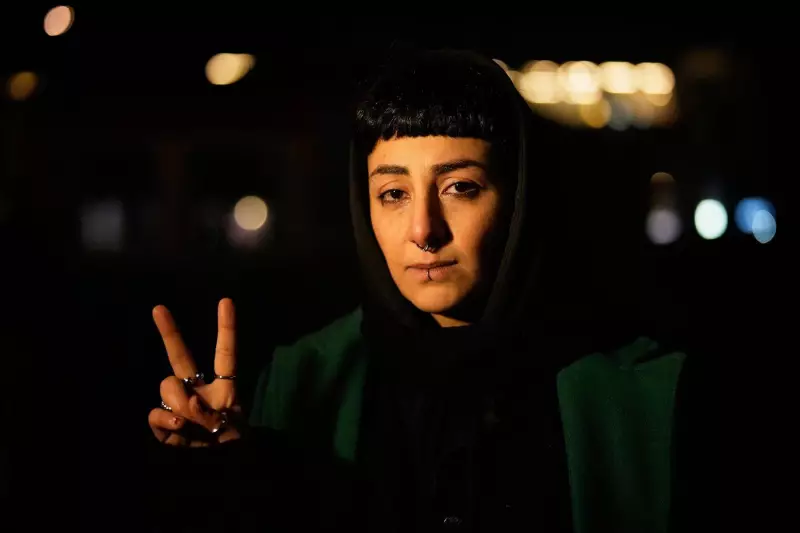
Emotions ran high on the streets of European cities this week as exiled Iranians gathered to voice their fury and sorrow over a violent government crackdown on mass protests back in their homeland. The demonstrations, marked by tears and chants for justice, underscored the deep pain of a diaspora feeling powerless to help those facing repression inside Iran.
A Demonstration of Grief and Defiance in Berlin
One of the most poignant scenes unfolded in Berlin, Germany, on Wednesday, January 14, 2026. Among the crowd was Anahita Safarnejad, 34, whose portrait captured the resolve and anguish of the moment. The protest was a direct response to the Iranian government's harsh measures against a wave of nationwide dissent, which has reportedly led to numerous arrests and casualties.
Participants held signs bearing the names and images of those believed to have been killed or detained. The air was thick with calls for international attention and action, as many feel Western governments have not done enough to pressure the regime in Tehran.

The Spark: Nationwide Unrest in Iran
The protests in Iran, which began over specific grievances, rapidly evolved into a broader movement challenging the authority of the state. The government's response has been characterized by rights groups as disproportionately violent, involving internet blackouts, mass arrests, and the use of lethal force.
For the Iranian diaspora, scattered from Toronto to Berlin, watching these events unfold from afar has been a source of immense frustration and heartbreak. The European protests serve as both an outlet for their grief and a strategic effort to keep the world's eyes on the crisis.
A Diaspora's Struggle and the Road Ahead
The rallies across Europe highlight the enduring political activism of Iran's global diaspora. While physically safe, many exiles grapple with the psychological toll of separation and the constant worry for family and friends still in Iran.
These demonstrations are unlikely to be the last. As long as the situation in Iran remains tense, exiled communities will continue to use their freedom of speech abroad to amplify the voices of those who are silenced at home. The path forward is fraught, but the protests in cities like Berlin make it clear that the struggle for change continues, both inside and outside Iran's borders.