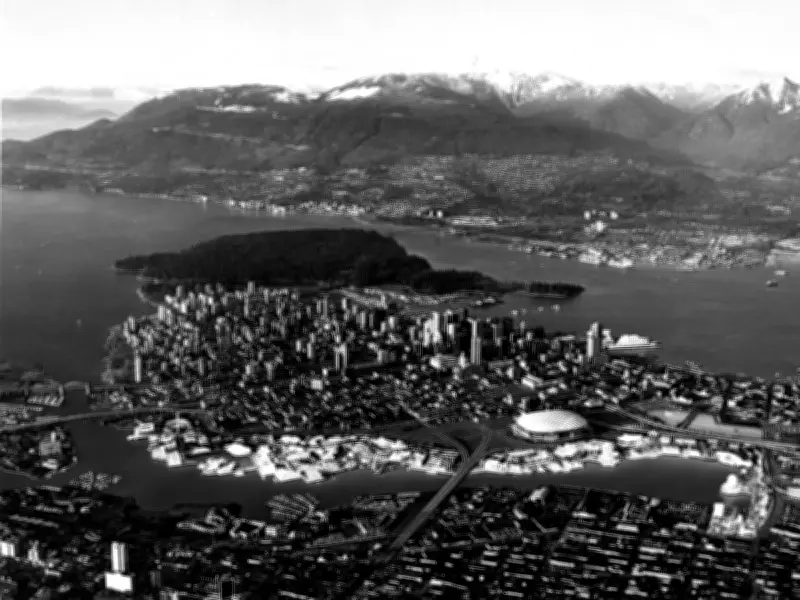
Food may not have been the main purpose of Expo 86, but it most certainly became a primary pillar of the global event. Forty years later, the food program stands out as an important point in the city's culinary history.
A Turning Point for Vancouver's Culinary Landscape
“Expo 86 brought worldwide attention to the very provincial city of Vancouver,” recalls Sylvia Potvin of the Pacific Institute of Culinary Arts. “Preparations for Expo included the building of infrastructure projects and major tourist attractions.”
Looking back, the celebratory event saw about 112 eateries and cafeterias on the Expo grounds in downtown Vancouver, along with dozens of pavilions representing some 54 nations and organizations. In addition to more familiar fare — early reports estimated more than two million hamburgers, 300 metric tonnes of French fries and 15 million soft drinks would be served during the course of the fair — Expo 86 introduced the city’s foodies and families to a variety of global cuisines.

International Flavors Take Center Stage
“Many countries served their national food in their pavilions,” Potvin recalls. Dishes such as casado (beef strips in a sauce) from Costa Rica; anticuchos (chicken skewers) and beef heart from Peru; herring prepared five ways from Norway; and cevatcici (grilled veal) from Yugoslavia were just a few of the international eats that were more broadly introduced into the local dining scene through Expo 86’s many plates.
While revolutionary for local tastebuds, Vancouver Sun reviews did call out the cost of such fare. “If you haven’t been to the site, you may be shocked to learn that fish and chips can cost $6.80 (for only two pieces of fish), and that a glass of imported red wine can ring in at $6.50,” a June 28, 1986, restaurant roundup declared.
Legacy of Diversity and Growth
Much like the 2010 Winter Olympics did, Expo 86 showcased the best sides of Vancouver to its visitors. The influx of interest that followed the fair irrevocably changed the city’s culinary diversity. “Expo 86 exposure showed the world how beautiful the city was, how clean and how safe it was to settle down and raise a family and to build a new life,” Potvin says.
Many finer-dining chefs and cooks brought their specialties and unique food knowledge over from Hong Kong, and later from Japan, mainland China, Korea, Vietnam, Singapore, Thailand and Taiwan, bringing with them a level of Asian cuisine that didn’t previously exist. “The attractiveness of Vancouver and the political stability of Canada also attracted Russians, French, Ukrainian, South Asians, English, Kenyans and more. And all this contributed to our very diverse and delicious dining scene,” Potvin adds.
Chef Rob Feenie echoes this sentiment: “The Expo 86 restaurant scene wasn't close to what you have now.” The event not only introduced global cuisines but also spurred a wave of immigration that enriched the city's culinary tapestry. Today, Vancouver's restaurant scene is renowned for its diversity, from high-end Asian fusion to authentic ethnic eateries, all rooted in the transformative impact of Expo 86.