Greek Experts to Examine Newly Discovered Nazi Atrocity Photos from 1944
A team of Greek historians and forensic experts has been assembled to examine a collection of recently discovered photographs depicting a Nazi atrocity from World War II. The images are believed to show the execution of 200 Greek Communist political prisoners at the Kaisariani Shooting Range in a suburb of Athens on May 1, 1944.
Significance of the Discovery
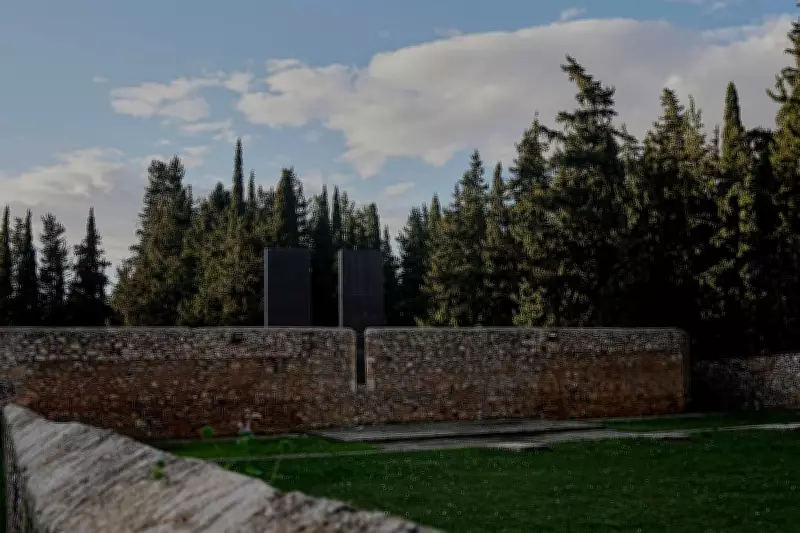
The photographs, which emerged publicly in February 2026, provide a stark visual record of one of the many brutal acts committed by Nazi occupation forces in Greece during the war. The Kaisariani Shooting Range site, where the executions took place, remains a somber memorial location. This discovery adds crucial primary evidence to the historical understanding of wartime atrocities in the region.
Expert analysis will focus on authenticating the photographs, determining their provenance, and extracting any additional contextual information they may contain about the event and its victims. The examination process is expected to involve detailed archival research and possibly digital enhancement techniques to clarify details within the images.

Historical Context and Impact
The execution of the 200 prisoners was a reprisal killing, a common tactic used by Nazi forces to suppress resistance movements in occupied territories. Greece suffered immensely under Axis occupation, with widespread executions, famine, and destruction. The discovery of these photos serves as a powerful reminder of this dark chapter.
This photographic evidence is particularly significant for historical documentation and for the families of victims seeking closure. It underscores the ongoing importance of uncovering and preserving material related to war crimes, ensuring that such events are neither forgotten nor repeated.
The expert team's findings will likely be shared with historical institutes and may contribute to educational materials and memorial efforts dedicated to the victims of Nazi occupation in Greece.