Embracing Diversity Strengthens Communities: A Calgary Perspective
In a restaurant in Amsterdam last spring, surrounded by the comforting scent of aged wood, I found myself facing a familiar question: "Where are you from?" My immediate, proud response was "Canadian." Yet, as the woman across from me smiled and waited, I added, "Originally from Tanta, a city in Egypt's Nile Delta you've probably never heard of." She hadn't, but she leaned forward with genuine interest.
The Moment of Connection
That simple act of leaning in represents what Calgary has been missing in its cultural narrative. Having lived here through decades of transformation, I've witnessed this city's resilience through oil industry downturns and its global welcoming during the 1988 Winter Olympics. On paper, Calgary's demographics are remarkable: nearly 40 percent visible minorities, over 240 ethnic origins represented, and approximately 150,000 new immigrants arriving in just the past five years.
The Institutional Disconnect
However, walk into most of our major cultural institutions, and the story shifts dramatically. Visible minorities constitute only about 15 percent of the arts sector workforce, while museums continue to emphasize Western and settler narratives predominantly. This gap between demographic reality and institutional representation isn't merely noticeable—it's structural and requires intentional addressing.

Addressing Legitimate Concerns
I acknowledge the thoughtful concerns of those who worry that celebrating our differences might fragment community cohesion. I've personally experienced that apprehension when standing in rooms where nobody recognizes my hometown of Tanta, wondering if I alone carry that particular cultural weight. However, true unity isn't achieved through subtraction or asking people to leave parts of their identity behind.
The Power of Inclusive Narratives
When implemented thoughtfully, diversity doesn't divide communities—it transforms every citizen into an ambassador carrying unique pieces of global heritage. Cities that grasp this concept don't disintegrate; they become magnetic destinations. Consider London's unapologetic celebration of Brick Lane's cultural tapestry or Toronto's Distillery District, which openly honors immigrant heritage. These urban centers are layered, occasionally messy, yet people travel worldwide to experience their vibrant diversity, which becomes their most valuable asset.
Personal Testimonies Highlight the Need
Yonona, who has lived in Calgary for 22 years after arriving from Ukraine with an engineering degree, now operates a bridal shop in CrossIron Mills. She shared a poignant observation: "My children were born here. This is their home. Yet they've never encountered anything in a Calgary museum that acknowledges where their family originated. That absence communicates something significant." She isn't requesting monuments—she's seeking acknowledgment, which represents the most affordable yet powerful contribution a city can offer its diverse residents.
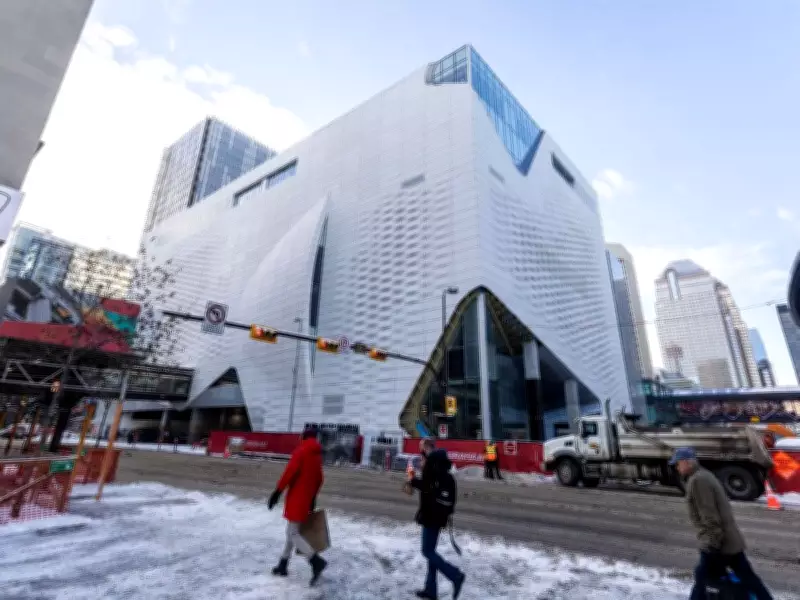
The redesigned Glenbow Museum presents a valuable opportunity for Calgary to authentically narrate the stories of all individuals who have contributed to building this dynamic city. By embracing diverse perspectives and ensuring cultural institutions reflect the full spectrum of community experiences, Calgary can foster genuine belonging and demonstrate that diversity, when approached correctly, serves as a unifying force rather than a divisive one.