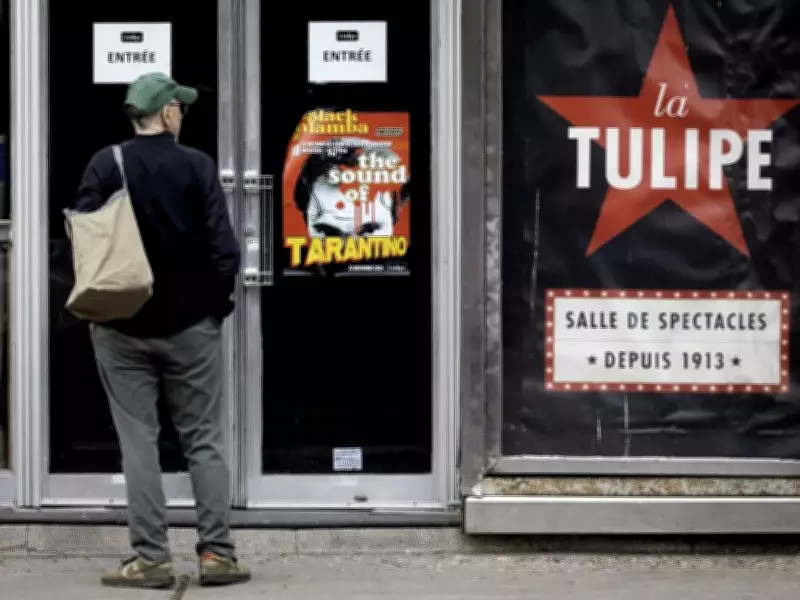
Montreal Reaches $350,000 Settlement in La Tulipe Noise Saga
The City of Montreal has finalized a $350,000 settlement with Pierre-Yves Beaudoin, the neighbor whose decade-long campaign of noise complaints and legal actions forced the iconic Plateau Mont-Royal concert hall La Tulipe to close its doors. This agreement, approved during a Plateau council meeting, marks a pivotal moment in a protracted conflict that has highlighted systemic vulnerabilities facing cultural institutions.
Terms of the Agreement and Path to Reopening
Under the settlement terms, Beaudoin will receive the payment in exchange for dropping all legal proceedings against La Tulipe. Crucially, he must cease residential use of the property adjacent to the venue and restore it to commercial zoning within 60 days. This condition directly addresses the administrative error by the city that originally allowed the zoning change from commercial to residential—a decision officials later acknowledged should never have occurred.
Plateau Mont-Royal Mayor Cathy Wong expressed satisfaction with the resolution, stating, "I'm satisfied we reached an agreement. The next step is to remove all obstacles to the reopening of La Tulipe." She confirmed ongoing communication with the venue's owners and plans for immediate discussions about municipal support for reopening efforts. While La Tulipe's team has indicated interest in resuming operations, the owners have not publicly commented on the settlement.

A Decade-Long Legal Battle with Lasting Implications
The conflict traces back to 2016 when Beaudoin, a real-estate investor, purchased the building south of La Tulipe. After securing the erroneous zoning change, he converted the property into apartments and initiated noise complaints against the concert hall. The legal escalation culminated in a 2024 Court of Appeal order mandating La Tulipe to cease any audible sound detectable from neighboring properties, forcing its closure that September.
In a significant development, the Superior Court annulled this noise ruling in November 2025 after the Plateau borough amended Article 9 of its noise bylaw to exclude bars, restaurants, and performance venues. The city subsequently launched proceedings against Beaudoin for illegal building usage, while he countersued for $540,000 in reputational damages—all now resolved through the settlement.
Systemic Failures and the Quest for Protective Measures
While La Tulipe's impending reopening represents a victory for Montreal's cultural scene, it arrives with substantial caveats. Jon Weisz, director of the independent concert hall association Scènes de Musique Alternatives du Québec (SMAQ), characterized the outcome as "an imperfect solution to a Kafkaesque situation," noting that the closure could have been prevented. The association emphasizes that several Montreal concert halls have faced similar noise-related closures over the past twenty years, underscoring systemic issues.
A critical unresolved matter is the absence of updated noise regulations in Plateau Mont-Royal and Ville-Marie boroughs. Weisz identified this as "a necessary step to avoid conflicts involving the city's concert halls." Mayor Wong acknowledged the urgency, revealing consultations with borough departments and the SPVM to establish a new bylaw "as soon as possible, hopefully for summer."
Rebuilding Confidence and Financial Recovery
The settlement raises difficult questions about financial repercussions. La Tulipe has likely suffered significant revenue losses throughout the ten-year dispute, while Beaudoin receives compensation. Mayor Wong has committed to facilitating the venue's recovery by expediting permit applications for necessary renovations and allocating borough funds already approved for soundproofing assistance.
Wong admitted, "I realize there's a confidence to rebuild. There's a sense of fragility." She has implemented a proactive monitoring system, requesting immediate notifications when venues receive complaints or fines to enable rapid intervention. "There are lessons to take from this story, mechanisms to put in place at the borough level and an important recognition of the place of nightlife in Montreal," she reflected, while acknowledging "more work to do."

As La Tulipe prepares to welcome audiences again, Montreal faces broader challenges in creating sustainable protections for cultural spaces. The settlement concludes one chapter but opens essential dialogues about municipal accountability, regulatory frameworks, and preserving the vibrancy of urban cultural landscapes against similar threats.