Métis Leaders Celebrate Return of Historic Artifact from Vatican
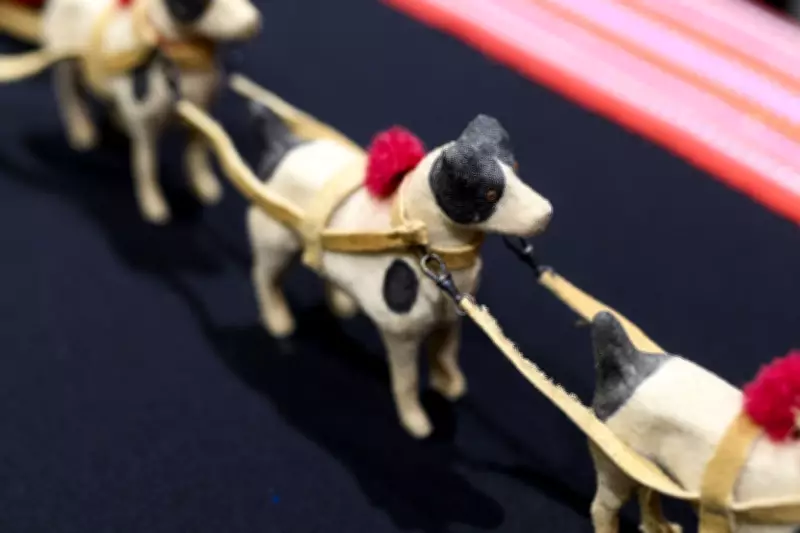
In a landmark event for cultural heritage, Métis leaders have unveiled a meticulously crafted model dog sled from the 1920s, recently repatriated from the Vatican's extensive collection. This significant artifact is now proudly on display at the Canadian Museum of History in Gatineau, Quebec, marking a pivotal moment in the preservation and recognition of Métis history and craftsmanship.
A Journey Home After Decades
The model dog sled, created in the 1920s, represents not only a piece of artistic ingenuity but also a symbol of Métis identity and resilience. For years, it resided within the Vatican's holdings, far from its cultural origins. The repatriation process, spearheaded by dedicated Métis leaders and supported by cultural institutions, underscores a growing global movement to return indigenous artifacts to their rightful communities.
This repatriation is part of broader efforts to address historical injustices and foster reconciliation. By reclaiming such items, Métis communities aim to reconnect with their heritage and educate future generations about their rich traditions. The dog sled model, with its intricate details, serves as a tangible link to the past, illustrating the skills and daily life of Métis people in the early 20th century.

Exhibition at the Canadian Museum of History
The Canadian Museum of History in Gatineau has become the new home for this precious artifact. Museum officials emphasize the importance of showcasing indigenous cultures in a respectful and informative manner. The display is expected to attract visitors from across Canada and beyond, offering insights into Métis history and the ongoing journey of cultural reclamation.
Experts note that artifacts like this model dog sled are crucial for understanding the diverse narratives that shape Canada's history. They highlight the craftsmanship involved, which reflects the adaptability and resourcefulness of Métis artisans who blended indigenous and European techniques.
Implications for Cultural Heritage and Reconciliation
The repatriation of the 1920s dog sled model is more than just a transfer of an object; it is a step toward healing and acknowledgment. Métis leaders express hope that this event will inspire further repatriations and collaborations between indigenous groups and institutions worldwide.
Key aspects of this development include:
- Enhanced visibility for Métis culture and history in national museums.
- Strengthened partnerships between indigenous communities and cultural organizations.
- Increased public awareness about the importance of repatriating cultural artifacts.
- Opportunities for educational programs centered on indigenous heritage.
As the model dog sled takes its place in Gatineau, it stands as a testament to the enduring spirit of the Métis people and their unwavering commitment to preserving their legacy for generations to come.