Nova Scotia Opposition Warns Arts Cuts Will Damage Provincial Economy
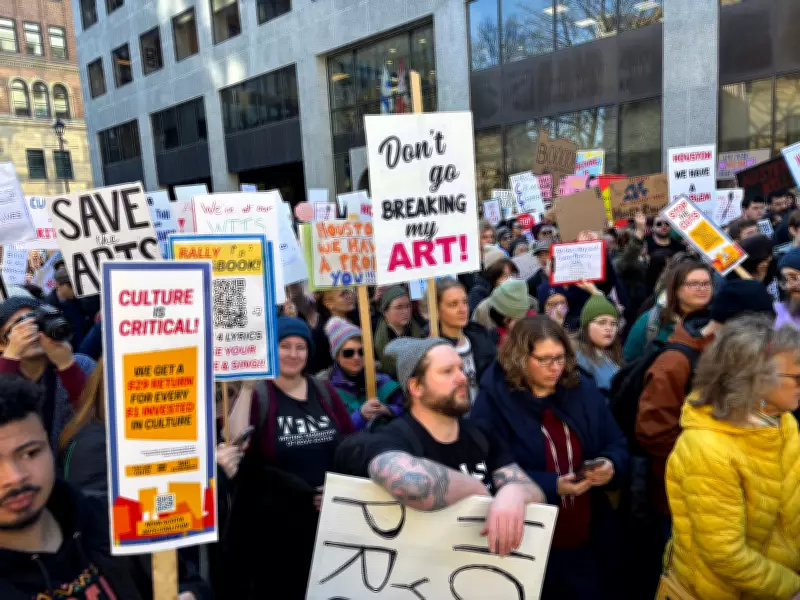
Hundreds of concerned citizens gathered for a rally outside the Nova Scotia legislature this week, passionately calling on the provincial government to reverse significant funding cuts made to the arts and culture sector. The demonstration highlighted growing fears that these reductions will have a devastating impact on the province's economic health and cultural vitality.
Economic Consequences of Funding Reductions
Opposition leaders have issued stark warnings, stating that the government's decision to slash arts and culture funding will not only harm creative industries but will also ripple through the broader provincial economy. They argue that the arts sector is a substantial economic driver, supporting thousands of jobs, attracting tourism, and generating significant revenue through events, exhibitions, and related services.
The cuts come at a time when many cultural organizations are still recovering from pandemic-related challenges, making the reductions particularly damaging. Advocates emphasize that investing in arts and culture yields high returns, with every dollar spent often multiplying through local businesses, hospitality, and retail sectors.

Community Response and Legislative Pressure
The rally outside the legislature featured artists, performers, cultural workers, and supporters from across Nova Scotia, all united in their demand for restored funding. Participants held signs and chanted slogans, emphasizing the essential role that arts play in community identity, education, and social cohesion.
Inside the legislative building, opposition members have been pressing the government to reconsider its budgetary decisions. They have presented data showing how arts funding contributes to economic diversification, especially in rural areas where cultural events can be major economic anchors. The opposition is calling for immediate action to protect this vital sector from further erosion.
Broader Implications for Nova Scotia's Future
Beyond immediate economic concerns, critics warn that defunding arts and culture could have long-term negative effects on Nova Scotia's reputation as a creative hub. The province has historically been known for its vibrant music scene, literary contributions, and visual arts, all of which could suffer without adequate support.
Furthermore, the cuts may discourage young artists and cultural entrepreneurs from staying or moving to Nova Scotia, potentially leading to a brain drain that weakens the cultural fabric and economic innovation. The opposition stresses that a thriving arts sector is integral to building a resilient, attractive, and prosperous province for future generations.
As the debate continues, stakeholders are urging the government to recognize the full value of arts and culture—not just as a form of expression, but as a critical component of economic strategy and community well-being in Nova Scotia.