Organists Sound the Alarm: The Race to Save Historic Pipe Organs
In a world where digital music dominates, a passionate community of organists is fighting to prevent what they call "the day the music dies"—the potential loss of historic pipe organs across Canada. These majestic instruments, often housed in universities, churches, and concert halls, face threats from neglect, high maintenance costs, and shifting cultural priorities, prompting urgent preservation efforts.
The Casavant Organ: A Symbol of Resilience and Memory
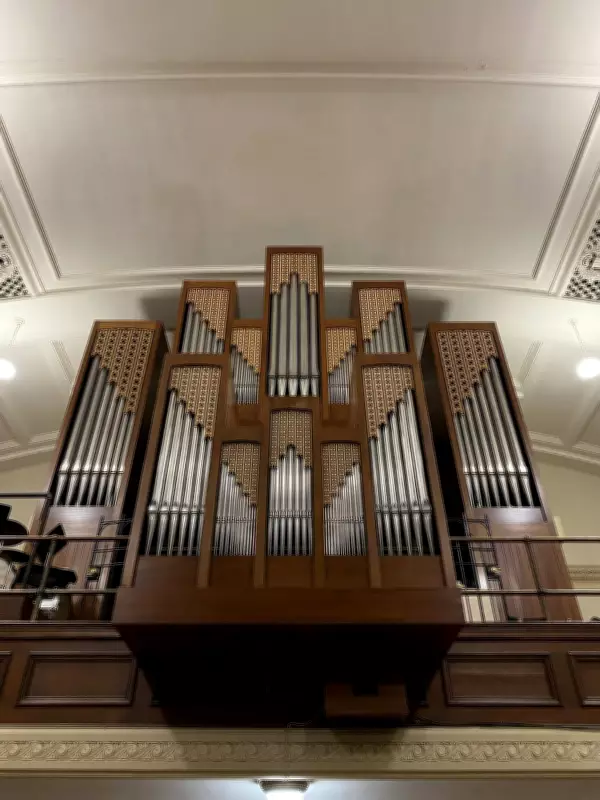
One poignant example is the Casavant pipe organ located in Convocation Hall at the University of Alberta. Built in 1978, this instrument replaced an earlier organ constructed in 1925 to honor students and faculty members who perished in the First World War. Marnie Giesbrecht, an advocate for organ preservation, highlights its historical significance, noting that such organs serve not only as musical tools but as living memorials to community sacrifice and heritage.
The current organ, with its intricate pipes and resonant tones, represents decades of craftsmanship and acoustic engineering. However, like many of its counterparts, it requires specialized care and funding to maintain its condition, challenges that are becoming increasingly difficult to meet in an era of budget constraints and technological change.

Why Pipe Organs Are at Risk
Organists point to several factors contributing to the decline of these instruments:
- Financial pressures: Maintaining and restoring pipe organs can cost hundreds of thousands of dollars, a burden for institutions with limited resources.
- Skill shortages: There are fewer trained organ builders and technicians available to service these complex machines, leading to a loss of expertise.
- Cultural shifts: As musical tastes evolve, the demand for organ music has waned in some settings, reducing support for preservation initiatives.
- Environmental concerns: Older organs may be susceptible to damage from temperature fluctuations, humidity, or structural issues in their buildings.
These challenges are not unique to Canada; similar struggles are reported in other countries, making this a global issue for cultural conservation.
Preservation Efforts and Community Action
Organists and heritage advocates are not standing idly by. They are launching campaigns to raise awareness and secure funding for restoration projects. Strategies include:
- Educational programs: Hosting concerts and workshops to introduce new audiences to the rich sound and history of pipe organs.
- Partnerships: Collaborating with historical societies, universities, and government agencies to designate organs as protected cultural assets.
- Digital documentation: Recording the music and technical specifications of organs to preserve their legacy even if physical restoration is not immediately possible.
- Grassroots fundraising: Organizing community events and online campaigns to gather donations for maintenance and repairs.
These efforts aim to ensure that future generations can experience the profound auditory and emotional impact of pipe organ music, which has been a cornerstone of Western classical and religious traditions for centuries.
The Broader Implications for Cultural Heritage
The fight to save pipe organs is part of a larger conversation about preserving intangible cultural heritage. As organists warn, losing these instruments would mean erasing a unique artistic voice and a tangible link to historical events, such as the memorial at the University of Alberta. It underscores the need for proactive policies and public engagement to safeguard artistic and historical treasures in an ever-changing world.
In the words of one organist involved in the movement, "We are not just saving machines; we are preserving stories, memories, and the very soul of our communities." With continued dedication and support, they hope to turn the tide and keep the music alive for years to come.