In a move laden with heavy symbolism, the Mariupol Drama Theatre has reopened its doors in eastern Ukraine, more than three years after a Russian airstrike reduced it to ruins and killed hundreds of civilians sheltering within.
A Landmark Rebuilt Amidst Controversy
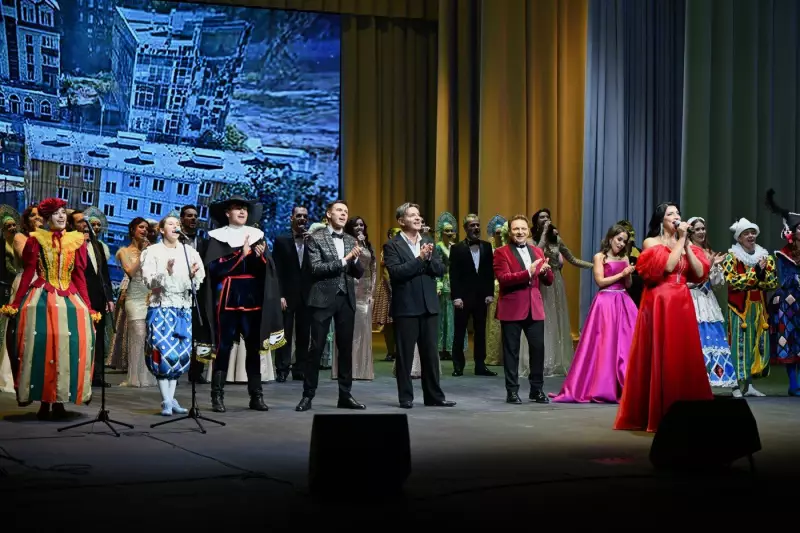
The theatre, located in the Russian-controlled Donetsk region, officially resumed operations on Sunday, December 28, 2025. Official images released by the press service of the Administration of the Governor of St. Petersburg showed actors performing on the theatre's restored stage. The building had been catastrophically damaged during fierce fighting for control of the strategic port city of Mariupol in the spring of 2022.
The reopening is presented by Russian authorities as an act of restoration and cultural revival. However, for much of the international community and Ukraine, the site remains a sombre memorial to one of the war's most horrific single incidents.

The Shadow of the 2022 Tragedy
The original theatre became a worldwide symbol of the war's brutality after it was struck by Russian forces on March 16, 2022. At the time, the building was marked with the Russian word for "children" in large letters visible from the air, as it was being used as a central bomb shelter for hundreds of families.
Estimates of the death toll vary, but Ukrainian officials and human rights organizations assert that approximately 600 people were killed in the bombardment. The attack was widely condemned and investigated as a potential war crime.
A Contentious Symbol in an Ongoing Conflict
The reconstruction and reopening of the theatre by Russian authorities is a deeply political act. It occurs as the war in Ukraine continues with no end in sight, and Mariupol remains under firm Russian control after a devastating siege.
For Russia, the restored theatre symbolizes the return of normalcy and Russian cultural influence to a region it now claims. For Ukraine and its allies, the event is seen as an attempt to erase the memory of the atrocities committed there and to solidify Moscow's hold on occupied territory.
The reopening underscores the starkly divergent narratives that define the conflict. While one side celebrates a phoenix rising from the ashes, the other mourns a sacred site of loss that has been repurposed by the very forces accused of its destruction.