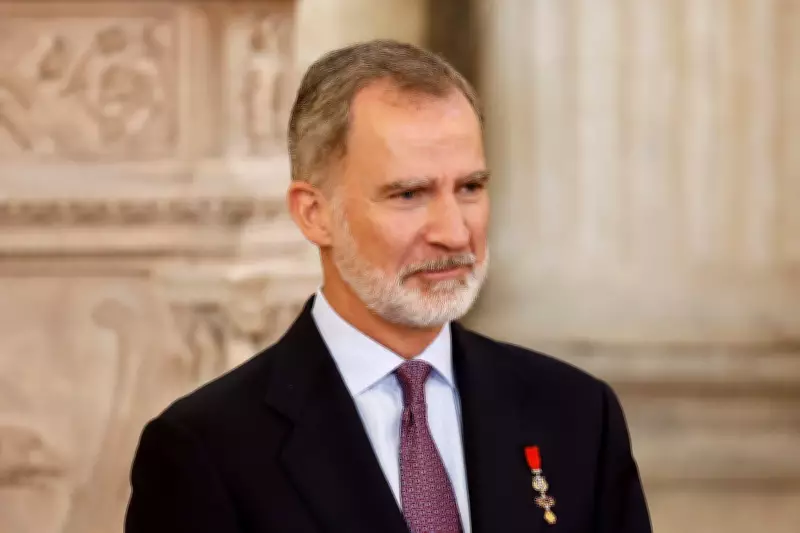
Spanish Monarch Confronts Colonial Past with Candid Remarks
In a significant and reflective statement, King Felipe VI of Spain has openly acknowledged the "much abuse" that took place during the Spanish conquest of the Americas. This rare admission from the Spanish monarchy comes as part of commemorative events, highlighting a shift toward greater historical transparency regarding colonial legacies.
A Royal Recognition of Historical Wrongs
The king's remarks were made during official ceremonies, where he addressed the complex and often brutal history of Spain's expansion into the New World. By using the phrase "much abuse," King Felipe VI directly confronts the violence, exploitation, and suffering inflicted upon Indigenous populations during the conquest era. This statement is seen as a departure from traditional narratives that have often glorified or sanitized colonial history.
Historical Context and Modern Implications

The conquest of the Americas, beginning in the late 15th century, involved widespread atrocities, including forced labor, disease outbreaks, and cultural destruction. For centuries, these events have been a point of contention in historical discourse, with calls for acknowledgment and reconciliation growing louder in recent decades. King Felipe VI's comments are viewed as a step toward addressing these grievances, potentially fostering dialogue about Spain's colonial past and its impact on contemporary societies.
Reactions and Broader Significance
This acknowledgment has sparked varied reactions, with some praising it as a necessary move toward historical honesty, while others argue it does not go far enough in addressing reparations or deeper systemic issues. The king's statement aligns with broader global trends of re-evaluating colonial histories, as seen in other nations grappling with similar legacies.
Impact on Spanish Monarchy and Public Perception
As a constitutional monarch, King Felipe VI's words carry symbolic weight, influencing public perception of the monarchy's role in modern Spain. By addressing this dark chapter, he may enhance the institution's relevance in a society increasingly focused on social justice and historical accountability. This move could also strengthen Spain's diplomatic relations with Latin American countries, where memories of conquest remain sensitive.
Looking Forward: A Path to Reconciliation?
While the king's acknowledgment is a notable gesture, experts emphasize that true reconciliation requires ongoing efforts, such as educational reforms, cultural exchanges, and support for Indigenous rights. This moment serves as a reminder of the importance of confronting historical truths to build a more inclusive future.