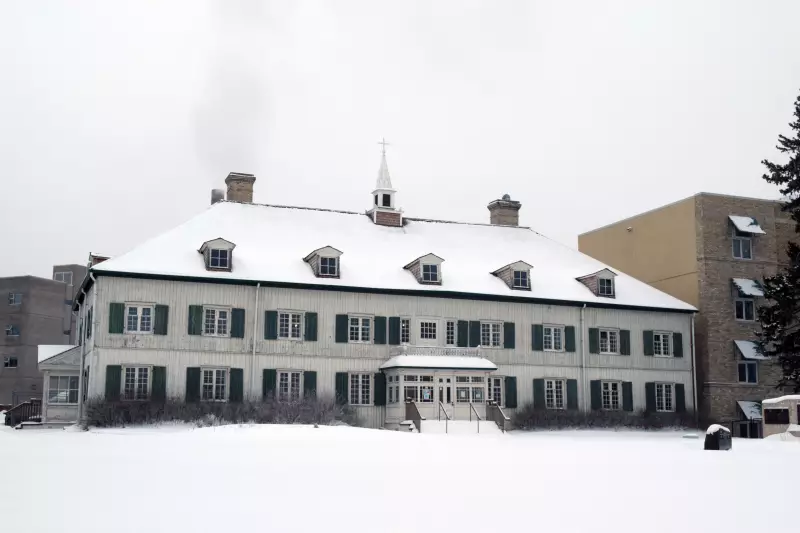
The St. Boniface Museum in Winnipeg, one of Manitoba's most significant heritage sites, has launched a critical final fundraising campaign. The institution is seeking to raise the last $1.5 million required to complete a major restoration project essential for its preservation and public safety.
The Final Push for Preservation
This urgent call for funds represents the concluding phase of a multi-year effort to restore and secure the historic building. The museum, a cornerstone of Winnipeg's Francophone and Métis community, requires these final resources to address structural and preservation needs that are vital for its long-term survival. The campaign underscores the ongoing challenges faced by cultural institutions in maintaining aging infrastructure.
A Pillar of Winnipeg's History
Housed in a former convent built by the Grey Nuns between 1846 and 1851, the St. Boniface Museum is the largest oak-log construction on the continent. It stands as a profound testament to the early history of Western Canada, safeguarding an irreplaceable collection of artifacts that tell the stories of the Red River Settlement, the Métis Nation, and the Roman Catholic missionaries. The completion of this restoration is not merely about repairing a building; it is about actively protecting a tangible link to the province's foundational narratives for future generations.

Securing the Future of Heritage
The success of this $1.5 million fundraising goal is pivotal. It will enable museum administrators to finalize restoration work that ensures the building's structural integrity, enhances accessibility, and improves climate control to better protect the delicate artifacts within. Without this essential work, the museum's ability to operate safely and preserve its collections could be compromised. The community's support in this final stretch will directly determine the museum's capacity to continue serving as an educational resource and a cultural beacon.
As of January 16, 2026, the campaign is actively underway, with the museum calling on philanthropists, all levels of government, and the public to contribute. The effort highlights a broader national conversation about the value and cost of preserving Canada's historic landmarks, reminding citizens that heritage conservation is an ongoing commitment requiring sustained investment and community engagement.