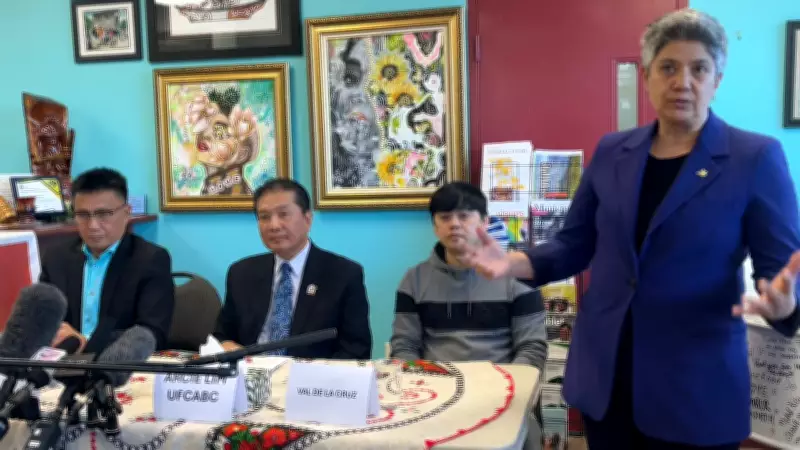
In Vancouver, a group of survivors from the Lapu-Lapu Day tragedy has voiced strong opposition to the proposed plans for the 2026 festival, citing unresolved trauma and safety concerns. The controversy emerged during a news conference held on Saturday, March 14, 2026, where MLA Mable Elmore joined the survivors in her office to express solidarity with their stance.
Background of the Tragedy
The Lapu-Lapu Day event, which commemorates a historical Filipino figure, has been marred by a past incident that left many attendees injured and emotionally scarred. Details of the specific tragedy have not been fully disclosed, but it is understood to involve a significant public safety failure during a previous celebration. This has led to ongoing calls for accountability and improved event management from community members and officials alike.
Survivors' Concerns and MLA Support
At the recent news conference, survivors articulated their fears that the 2026 festival could repeat past mistakes without substantial changes to planning and security measures. They emphasized the need for a more sensitive approach that prioritizes participant well-being over traditional festivities. MLA Mable Elmore, representing the area, echoed these sentiments, stating that the government must listen to the voices of those directly affected by the tragedy.

Elmore highlighted that while cultural celebrations are important, they should not come at the cost of public safety. She called for a thorough review of the festival's protocols and increased community involvement in the planning process to ensure a safer environment for all attendees.
Implications for Future Events
The opposition from survivors raises broader questions about how cities like Vancouver handle large-scale cultural events in the wake of past incidents. Experts suggest that this situation could set a precedent for other communities facing similar challenges, where balancing cultural heritage with safety concerns becomes a critical issue.
Moving forward, stakeholders including event organizers, local authorities, and community groups are expected to engage in further discussions to address the survivors' demands. The outcome of these talks will likely influence not only the 2026 Lapu-Lapu Day festival but also other public gatherings in the region.
As the debate continues, the focus remains on finding a resolution that honors cultural traditions while ensuring the protection and respect of all participants, particularly those who have suffered in the past.