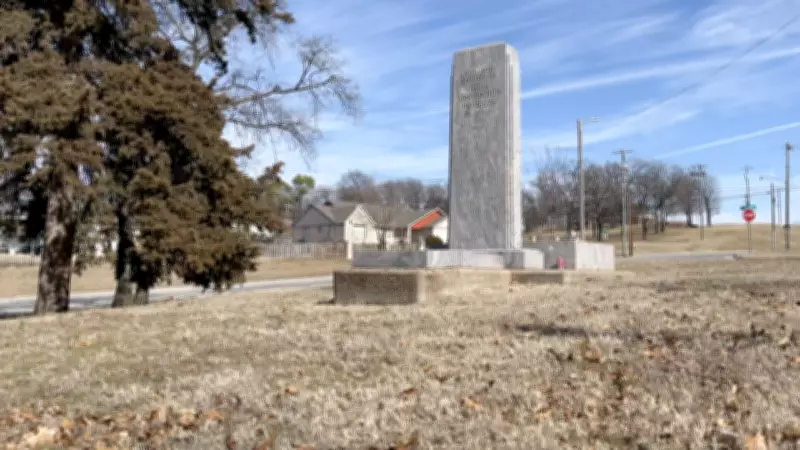
Tulsa Monument Honoring KKK Members Ignites Removal Debate in Community
A controversial monument located in Tulsa's oldest park has become the center of a heated community debate, with growing calls for its removal or relocation. The monument honors individuals who were known members of the Ku Klux Klan, sparking significant concerns among residents about memorializing figures associated with hate and racial violence.
Community Outcry Over Historical Recognition
Local community members have voiced strong opposition to the monument's presence, describing it as "deeply disturbing" and inappropriate for public display. Advocates for removal argue that such memorials glorify a painful history of racism and intimidation, rather than fostering a respectful remembrance of the past. The debate highlights ongoing tensions over how communities address historical symbols linked to oppression.
Arguments for Preservation and Context
Some individuals, however, contend that the monument should remain in place as a historical artifact, suggesting that adding educational context could provide a more nuanced understanding of Tulsa's complex history. Proponents of this view emphasize the importance of not erasing history, but rather using such sites as opportunities for dialogue and learning about the impacts of racial hatred.

Municipal Response and Next Steps
City officials in Tulsa are currently reviewing the monument's status, with discussions underway about potential actions, including relocation to a museum or installation of explanatory plaques. The process involves public consultations to gauge community sentiment and ensure that any decision reflects diverse perspectives. This situation mirrors similar debates across the United States regarding Confederate monuments and other contentious symbols.
Broader Implications for Public Spaces
The controversy extends beyond Tulsa, touching on broader questions about how public spaces should commemorate historical figures. Experts note that decisions about monument removal often involve balancing historical preservation with contemporary values of inclusivity and social justice. As communities grapple with these issues, the Tulsa case serves as a poignant example of the challenges in reconciling past injustices with present-day ideals.
Ultimately, the outcome of this debate will likely influence future approaches to managing historical memorials in public parks and other communal areas, setting a precedent for how similar situations are handled nationwide.