Violins of Hope Concert in Wisconsin Bridges Past and Present Through Music
One hundred and twenty people filled the Chabad in a Wisconsin town, stamping snow from their boots and unwinding woolen scarves as they entered. For the narrator, a Christian woman at the keyboard, this gathering represented the largest assembly of Jewish individuals she had ever witnessed in her local community. She was joined by a group of musicians performing Jewish songs, with violinists seated so close she could almost touch their century-old instruments.
Instruments with a Haunting History
The violins, once owned and played by Jewish people during the Holocaust, have been rescued and restored as part of the Violins of Hope project. These instruments now tour globally, serving as both a summons to remember and a stark warning: forget history, and it may repeat. Before the concert, the violins were displayed, each with a story of ownership by a Jewish individual before or during the Holocaust, restored to honor the musicians who once held them.
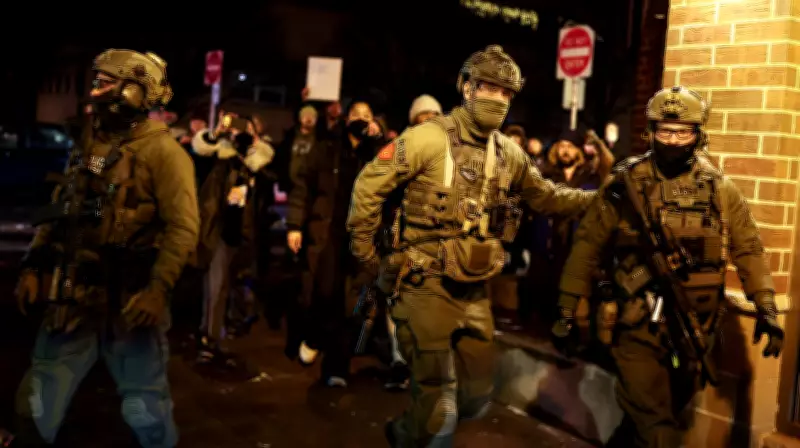
The narrator carpooled to the event with her friend Hal, who would direct, emcee, and play trumpet. During their drive, they discussed pressing issues, including ICE activities in neighboring Minnesota, where a protester had recently lost her life. Conversations turned to leaders blaming immigrants for America's problems and the sight of armed agents on city streets, prompting the haunting question: Is it already too late to prevent history from repeating itself?

A Personal Connection to Jewish Heritage
Several years prior, the narrator discovered through a genealogy test that she is 9% Ashkenazi Jewish, likely inherited from a grandparent or great-grandparent. She and her brother traced this heritage to their father's side, but those who could have shared more about their ancestry had long passed away. Raised Catholic, with piano lessons from nuns and experience playing hymns for Sunday Mass, she realized her hands, familiar with chords like those of "Hava Nagila," also carried Jewish genes. It felt, she reflected, like inheriting a priceless work of art without knowing how her family came to possess it.
Ceremony and Music Unite the Crowd
As the audience quieted, the rabbi stepped forward to speak about traditions while his wife lit candles at the end of each row. He encouraged attendees to pass the flame from one candle to the next, sharing a poignant message: "The most beautiful thing about light is you can share it and it won't diminish anything from you." His singing was softly joined by voices in the refrain, creating a moment of unity.
Hal stood to play the shofar, wearing his yarmulke—a rare sight during their rehearsals. For Hal, this music was deeply personal; he grew up in a Jewish community, with his father hailing from Bialystok, Poland, where the Jewish population plummeted from 55,000 to just 2,000. His uncle survived Auschwitz, but an aunt and cousin did not. The raw notes of the ram's horn echoed through the hall, a tradition meant to shake people from complacency.
Playing on Instruments of Remembrance
During the concert, unison violins played "Osie Shalom," with each note leaning on the next like family. The sound swelled as clarinets, trumpet, cellos, and bass joined in, a powerful reminder that these strings had once been silenced. The repertoire included love songs, wedding tunes, folk melodies, and dance pieces. One violinist nearby requested a ¾ size violin, leading the narrator to wonder about the little Jewish boy or girl who might have once tuned and played it.
A single violist opened "Hine Ma Tov," with others gradually adding their parts. The narrator appreciated the warmth of the hall and the pre-concert buffet of soups, appetizers, and sweets, but her mind drifted to a black-and-white photo she had seen of musicians in a camp ensemble, playing in brutal cold. The irony of the song's words—"How good and how pleasant it is for brothers and sisters to dwell together in unity"—was not lost on her.

A Warning Echoes Beyond the Concert
The performance featured twelve pieces, culminating in a final number led by Hal on trumpet, with clarinet, bass clarinet, cellos, and strings joining in harmony. The Violins of Hope, with their curved lines, refurbished finishes, and inlaid Stars of David, could be admired as museum artifacts. Yet, as living instruments, they speak to the resilience of those who kept music alive even in the darkest times.
One week after the concert, the narrator carpooled with Hal to another musical event, discussing news of another protester's death in Minneapolis—a place she had driven through herself. Reflecting on remarks from the Violins of Hope concert, she recalled that these instruments are not just relics of history but warnings. The Holocaust, she noted, did not begin with camps and death; it started with language, blame, and the normalization of cruelty. Listening to updates from Minnesota, she wondered if anyone recognized the signs or believed mistakes might be repeating.
The Violins of Hope have since left Wisconsin, carefully packed in their cases, awaiting new players in new locations. The narrator envisions future musicians turning pegs and sweeping bows across strings, carrying forward a message of hope. Starting May 1, these instruments will be in Minnesota, continuing their journey of remembrance and reflection.