Reader Letters Highlight Windsor's Heritage Preservation and Nostalgic Stadium Memories
In a series of compelling reader letters published on February 18, 2026, Windsor residents passionately advocate for the protection of the city's architectural and cultural heritage while sharing vivid recollections of Windsor Stadium's vibrant 1950s era. These letters underscore the profound connection between preserving physical structures and maintaining community identity across generations.
The Significance of Heritage Designation for Windsor Properties
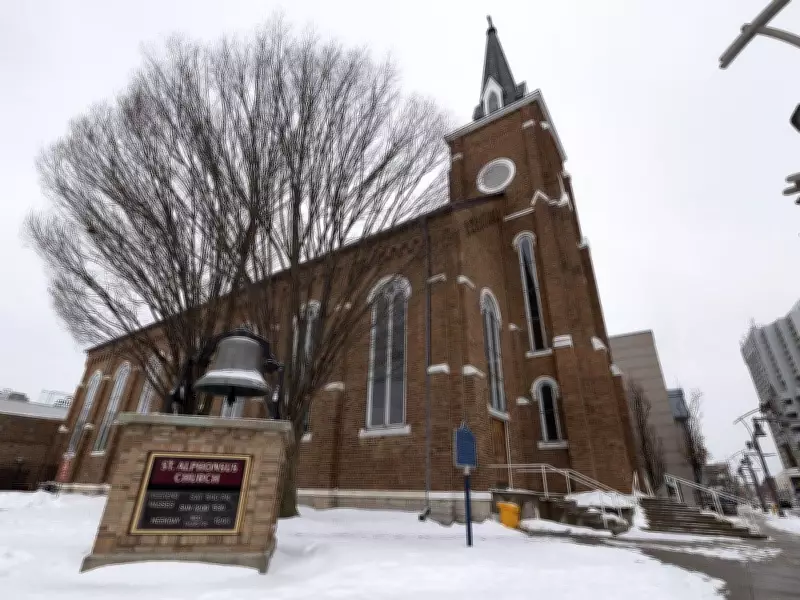
A thoughtful letter responding to Windsor's initiative to seek heritage designation for 185 high-priority properties articulates the multifaceted value of historic preservation. Heritage properties represent far more than mere real estate—they serve as tangible connections to historical periods, cultural movements, architectural achievements, and social developments that have collectively shaped Windsor's unique community character.
These structures embody architectural merit that demonstrates aesthetic principles and building traditions from specific eras, while showcasing exceptional craftsmanship and artisan skills that provide valuable benchmarks for understanding historical construction practices. As community landmarks, heritage buildings anchor collective memory and provide physical continuity with previous generations who transformed Windsor from a village into a modern city.

The letter emphasizes that heritage designation reframes these structures as cultural assets requiring preservation and collective stewardship, recognizing they are not merely quaint commodities subject to market forces. This perspective highlights the importance of protecting Windsor's historical fabric for future generations to appreciate and learn from.
Nostalgic Memories of Windsor Stadium's 1950s Heyday
Another heartfelt letter responds to the public school board's listing of Windsor Stadium for sale by sharing nostalgic memories from the 1950s, when the stadium served as a central hub for community events and athletic excellence. The writer recalls a vibrant era when Windsor schools competed in track and field and football competitions at the stadium, creating lasting memories for students and residents alike.
The stadium witnessed remarkable athletic achievements, including school football players like Tomy Grant and John Newton from Patterson Collegiate, who later became professional players in the Canadian Football League and were inducted into the Canadian Football Hall of Fame. The Windsor fraternity Alpha Kai Omega (AKO) Canadian Junior Football Team achieved national dominance during this period, while the Western Ontario Secondary Schools Athletic Association facilitated tremendous sports competition among Windsor schools.
Beyond athletic events, the stadium hosted memorable community gatherings. After cheering for school teams, students would attend the Stardust sock hop dance in Kennedy Collegiate's adjacent gym. The 1950s also featured school cadet programs where boys learned military fundamentals, wearing uniforms and marching smartly in review past an honour guard at Windsor Stadium at the end of the school year, with proud parents watching from the stands.
These letters collectively demonstrate how physical spaces like heritage buildings and community stadiums serve as repositories of shared history, cultural identity, and collective memory. They remind us that preserving such spaces maintains vital connections to Windsor's past while honoring the experiences of those who contributed to the city's development and character.