Indigenous Choreographer Cameron Fraser-Monroe Brings Tla'amin Tale to Royal Winnipeg Ballet
Growing up in the Tla'amin Nation near Powell River, British Columbia, Cameron sinkʷə Fraser-Monroe cherished the traditional stories of his people. One narrative that particularly captivated him was the haunting legend of the T'əl, a mysterious forest dweller said to steal children under the cover of darkness. This childhood fascination has now blossomed into a groundbreaking ballet production that premieres this week in Vancouver.
A Cultural Story Transformed Through Dance
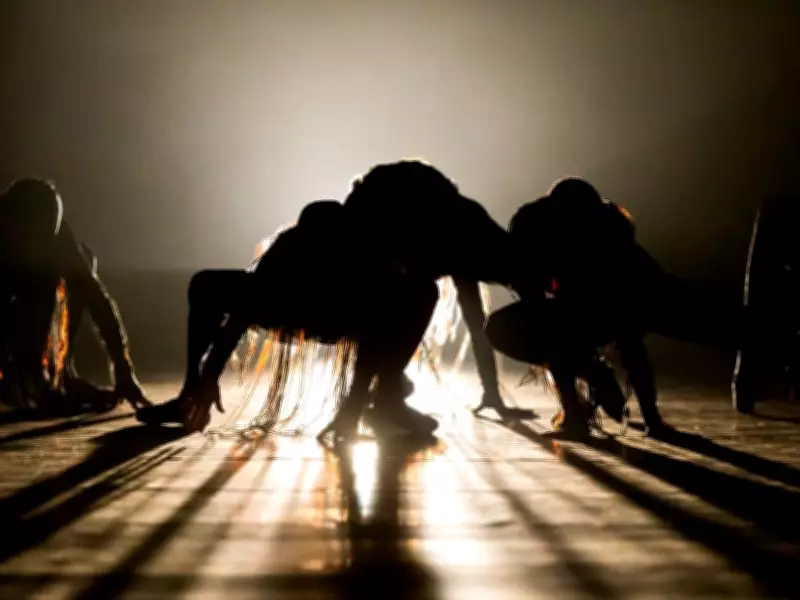
This week marks the West Coast premiere of Fraser-Monroe's T'əl: The Wild Man of the Woods, presented by the Royal Winnipeg Ballet. The performances will take place on February 9-10 at 7:30 p.m. at The Centre Vancouver, located at 777 Homer Street. The production represents a significant cultural milestone, adapting an Indigenous oral tradition into the classical ballet format while maintaining its authentic roots.
The choreographer's vision extends beyond mere adaptation. "My thought process when I was commissioned to create a work for the Royal Winnipeg Ballet was to find something that was culturally specific but also universally appreciated," Fraser-Monroe explained. The production features 26 dancers, the entire Winnipeg Symphony Orchestra, and live cello performance by composer Cris Derksen, creating a rich multimedia experience.

An Indigenous-Led Creative Collaboration
Fraser-Monroe has assembled a fully Indigenous-led creative team for this ambitious production. The original score comes from composer and former Vancouver resident Cris Derksen, while New York-based Navajo designer Asa Benally has created the costumes. The ballet draws direct inspiration from an oral history narrated by 94-year-old Tla'amin elder Elsie Paul, who shared the story in both her Ayajuthem language and English.
"No matter where you go, there is a sasquatch or a yeti or a wild man waiting in the woods to snatch you away if you aren't home before dark," Fraser-Monroe noted, highlighting the universal nature of such cautionary tales. "These are stories designed to keep our children safe."
Blending Traditional and Classical Dance Forms
Fraser-Monroe's artistic journey reflects the fusion of traditions that defines his choreographic approach. "I grew up doing grass and hoop dance, as well as a number of different studio styles such as jazz, tap and so forth," he shared. At age 15, he moved away to attend the Royal Winnipeg Ballet school, supported by his parents and his nation's post-secondary program that enabled his technical training.
The choreographer's professional experience spans companies including the Atlantic Ballet Theatre of Canada, Kelowna Ballet, and international tours with Vancouver's acclaimed Dancers of Damelahamid. "For me, the choreography that I create is really a braiding of the traditional, classical and the contemporary professional experience," Fraser-Monroe explained. "I use ballet as a tool to tell the stories, languages and cultures which I'm interested in."
A Story of Rescue and Cultural Preservation
The ballet's narrative follows a young woman who ventures into the unknown to recover her sister from the T'əl, creating what Fraser-Monroe describes as both an honoring of history and an exploration of new movement art. The production represents more than just entertainment—it serves as cultural preservation and innovation simultaneously.
Fraser-Monroe takes particular pride in the caliber of artists involved, noting that "not only are these some of the best Indigenous artists out there right now, they are also some of the finest artists working in Turtle Island today." The production stands as a testament to the growing recognition and integration of Indigenous artistic voices within Canada's classical performance institutions.
As audiences prepare to experience this unique blend of Tla'amin storytelling and classical ballet, Fraser-Monroe's work promises to bridge cultural divides while celebrating the rich narrative traditions of Canada's Indigenous peoples through the universal language of dance.