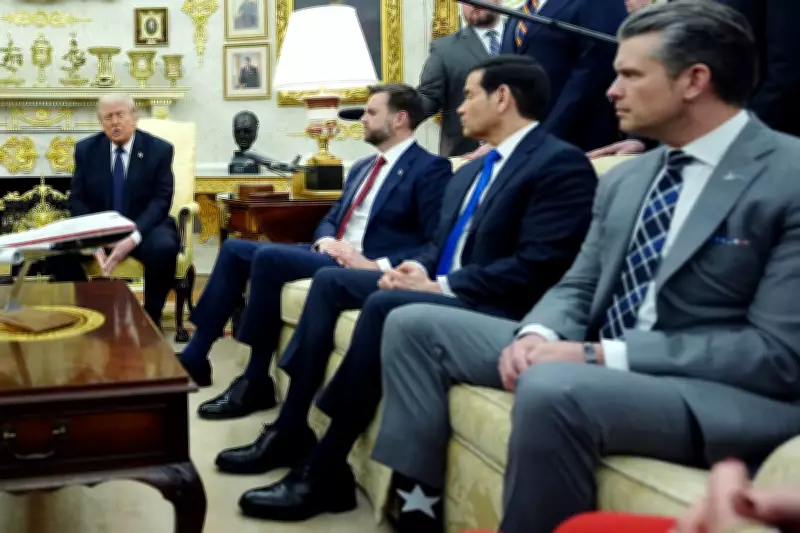
An unexpected and peculiar concern has quietly emerged within the hallowed halls of the White House, capturing the attention of political observers and style commentators alike. A phenomenon colloquially termed "male shoe anxiety" is reportedly affecting individuals in the Oval Office environment, underscoring the intense scrutiny and pressure surrounding personal appearance in the highest echelons of power.
The Rise of Footwear Fretfulness in Politics
This subtle yet significant trend involves heightened self-consciousness and stress among male political figures regarding their choice of footwear. The anxiety stems from the constant public and media examination of every detail of their attire, with shoes becoming an unexpected focal point for criticism and commentary. In an era where image is meticulously curated and dissected, even the most mundane aspects of a politician's wardrobe can become subjects of intense debate and personal insecurity.
A Symbol of Broader Professional Pressures
Experts suggest that this shoe-related unease is not merely about fashion but reflects larger issues of identity, professionalism, and the performative nature of modern political life. The pressure to project confidence, authority, and relatability through one's appearance has intensified with the omnipresence of social media and twenty-four-hour news cycles. Footwear, often overlooked, has become a subtle yet powerful signifier of personal style, economic status, and even political allegiance.

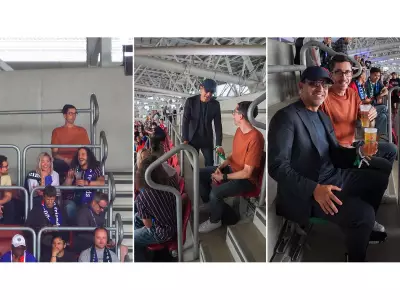
The situation was notably highlighted when Vice President JD Vance and Senator Marco Rubio were photographed together on March 3, with observers keenly analyzing their shoe choices. Such incidents demonstrate how sartorial decisions are increasingly viewed through a political lens, adding an additional layer of stress to public appearances.
Psychological and Social Implications
Psychologists note that this form of anxiety can contribute to broader mental health challenges, particularly in high-stress professions like politics. The constant evaluation of one's external presentation can lead to diminished self-esteem, increased stress levels, and a preoccupation with superficial details at the expense of substantive work. This phenomenon is part of a wider cultural shift where male grooming and fashion are subject to unprecedented scrutiny, breaking away from traditional norms that often afforded men more sartorial leniency.
Moreover, the issue intersects with discussions about gender norms and expectations in professional settings. As male politicians navigate these pressures, they confront evolving standards of masculinity and professionalism that demand both competence and curated appearance.
Navigating the New Normal in Political Image
In response to this emerging concern, some political advisors have begun incorporating wardrobe psychology into their strategic planning. This includes not only selecting appropriate attire for different occasions but also addressing the personal comfort and confidence of the individual wearing it. The goal is to mitigate anxiety by ensuring that choices are both politically astute and personally affirming, allowing leaders to focus on their duties without undue distraction.
This development serves as a reminder of the human element within political institutions, where even the most powerful individuals are not immune to the vulnerabilities of public life. As the conversation around male shoe anxiety continues, it may prompt a broader reevaluation of how society perceives and judges the appearance of public figures, potentially leading to a more empathetic and nuanced understanding of the pressures they face.