The entertainment industry is poised to witness a groundbreaking technological achievement as a new film project announces the posthumous appearance of actor Val Kilmer, rendered entirely through artificial intelligence. This development represents a significant milestone in the fusion of cinematic art and advanced digital innovation.
Digital Resurrection Through Advanced AI
According to recent reports, filmmakers are utilizing sophisticated artificial intelligence systems to create a lifelike digital version of Val Kilmer for an upcoming production. The AI technology analyzes extensive archival footage, photographs, and audio recordings of the actor to generate a realistic portrayal that can perform in new scenes. This process involves complex algorithms that replicate Kilmer's facial expressions, voice patterns, and physical mannerisms with remarkable accuracy.
Ethical and Creative Considerations
The use of AI to recreate deceased performers raises important questions about ethics, consent, and artistic integrity within the entertainment sector. Industry professionals are engaging in ongoing discussions about the appropriate boundaries for such technological applications. Some advocates argue that this approach allows for the continuation of an artist's legacy, while critics express concerns about potential exploitation and the need for clear legal frameworks governing digital likeness rights.

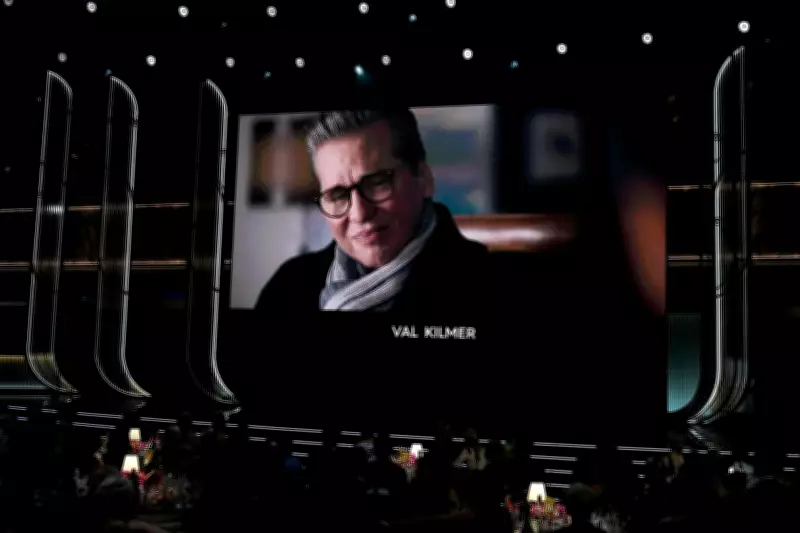
The film industry has previously experimented with digital recreations of actors, but the Val Kilmer project represents one of the most comprehensive applications of AI technology for this purpose to date. This development follows Kilmer's appearance during the in memoriam segment at the 32nd Annual Actor Awards held on March 1, 2026, at the Shrine Auditorium and Expo Hall in Los Angeles, where he was honored alongside other departed members of the acting community.
Technical Process and Industry Impact
The creation of an AI-rendered performance involves multiple technical stages. First, data collection gathers all available visual and auditory material featuring the actor. Next, machine learning algorithms process this information to understand the nuances of the performer's craft. Finally, the system generates new performances based on director input and script requirements. This technology could potentially revolutionize how films are produced, offering new possibilities for storytelling while challenging traditional production methods.
As artificial intelligence continues to advance within the entertainment sector, projects featuring AI-rendered performers are likely to become more common. The Val Kilmer film serves as a notable example of how technology is reshaping creative expression and expanding the boundaries of what is possible in cinematic production. Industry observers will be watching closely to see how audiences respond to this innovative approach to performance and how it might influence future filmmaking practices.